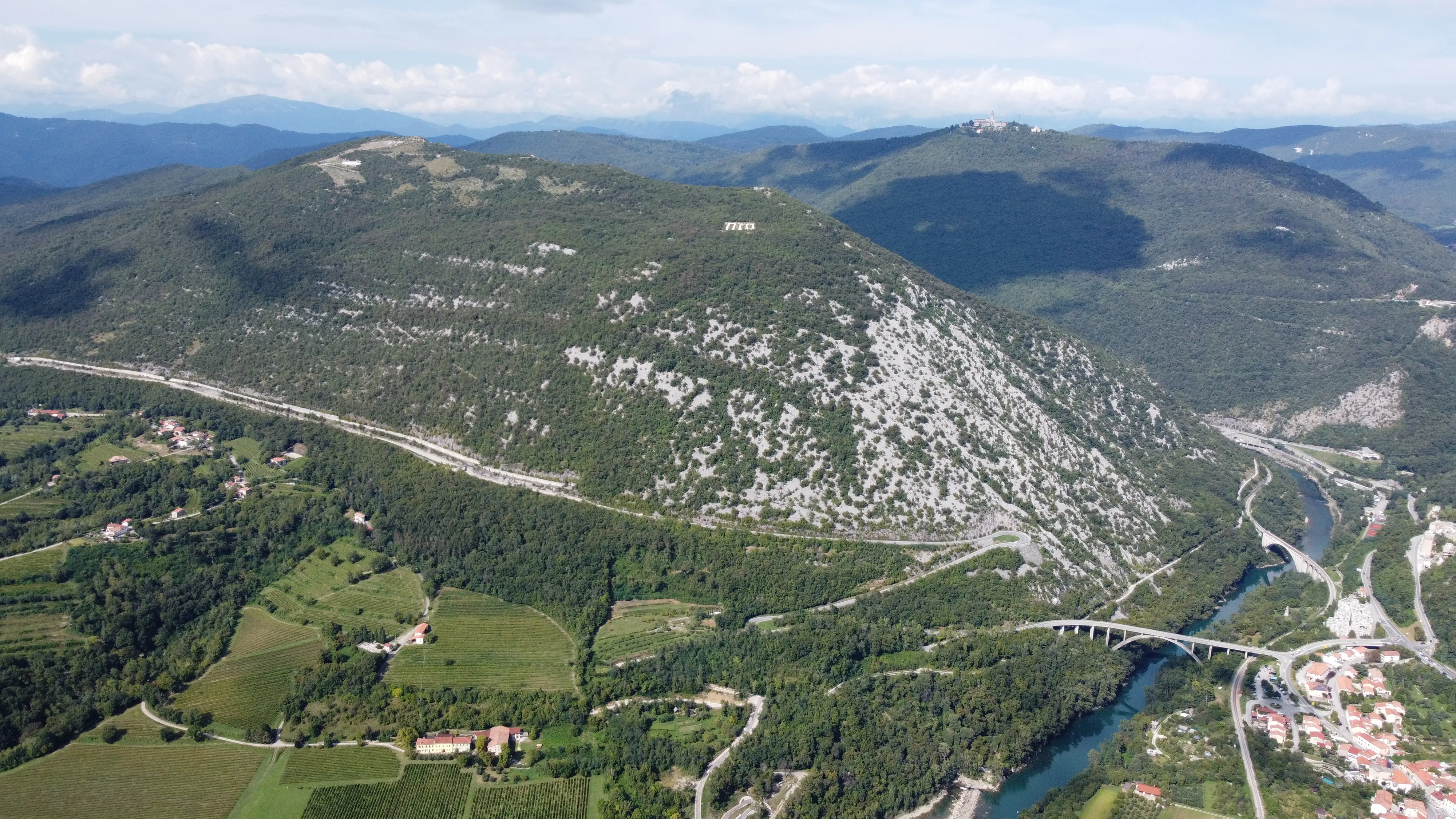
Sabotin Peace Park
A former WWI battlefield transformed into a symbol of peace and reconciliation. Walk through preserved trenches, tunnels, and fortifications on the border of Slovenia and Italy.
609m
Elevation
1915-1917
Isonzo Front
Cross-Border
Slovenia-Italy
Open Air
Museum
From Battlefield to Peace Park
A Transformation of Memory
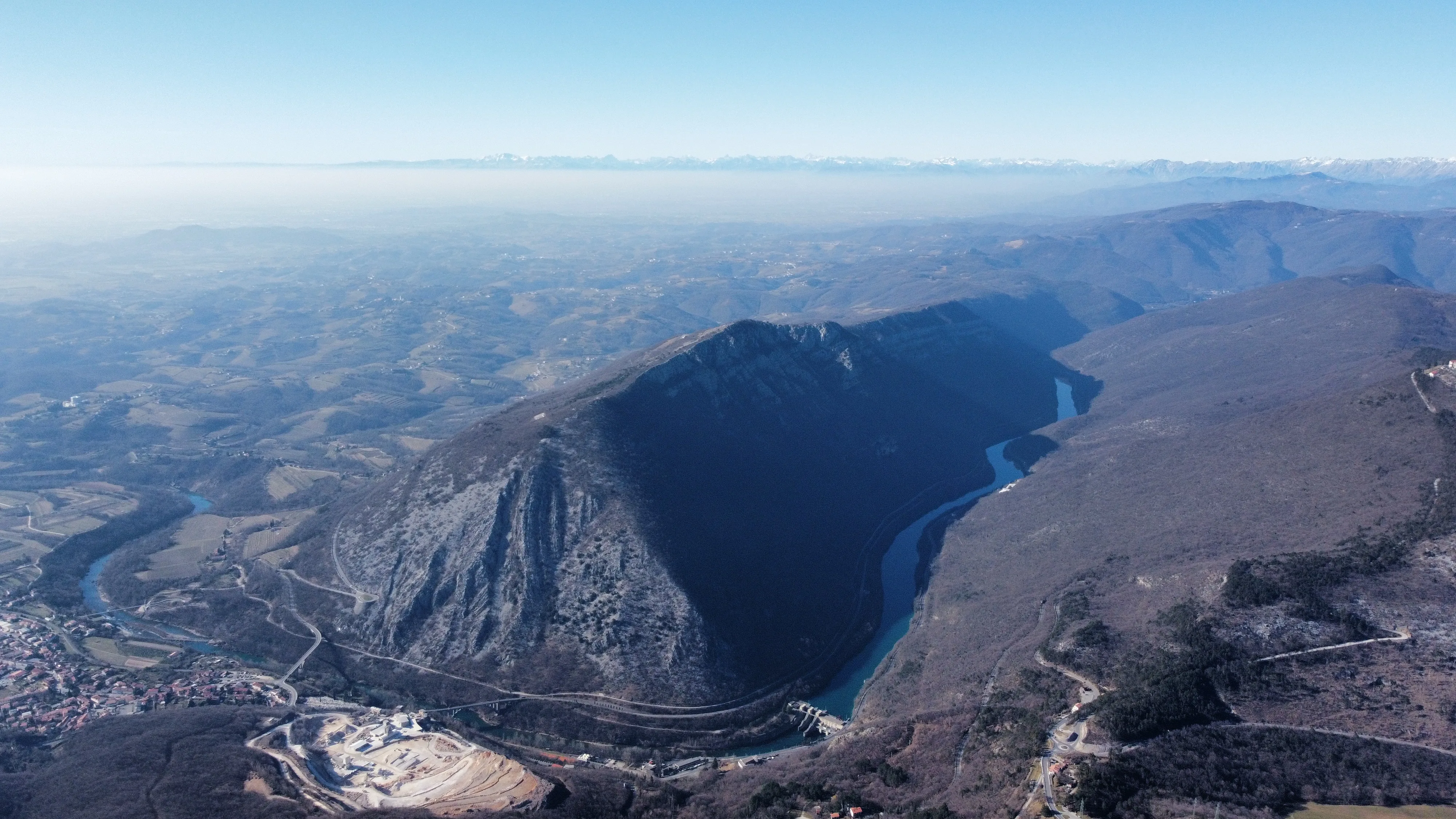
Sabotin Hill, rising 609 meters above the Soča Valley, stands as a powerful symbol of transformation from a site of conflict to a place of peace and reflection. During World War I, this strategic location witnessed some of the fiercest fighting of the Isonzo Front, serving as a crucial defensive position for Austro-Hungarian forces against Italian offensives. The hill's dominant position overlooking Gorizia and the surrounding valleys made it invaluable for military observation and artillery placement. For decades after the war, the former battlefield remained largely untouched, a scarred landscape of tunnels, trenches, and fortifications hidden within the Mediterranean karst vegetation. In a remarkable act of reconciliation and remembrance, the governments of Slovenia and Italy collaborated to transform this former battleground into a Peace Park, dedicated to honoring those who suffered here while promoting peace and cross-border cooperation. This transformation represents a profound statement about how former adversaries can work together to create something positive from the ashes of conflict.
The Isonzo Front Battlefield
Twelve Battles Along the Soča
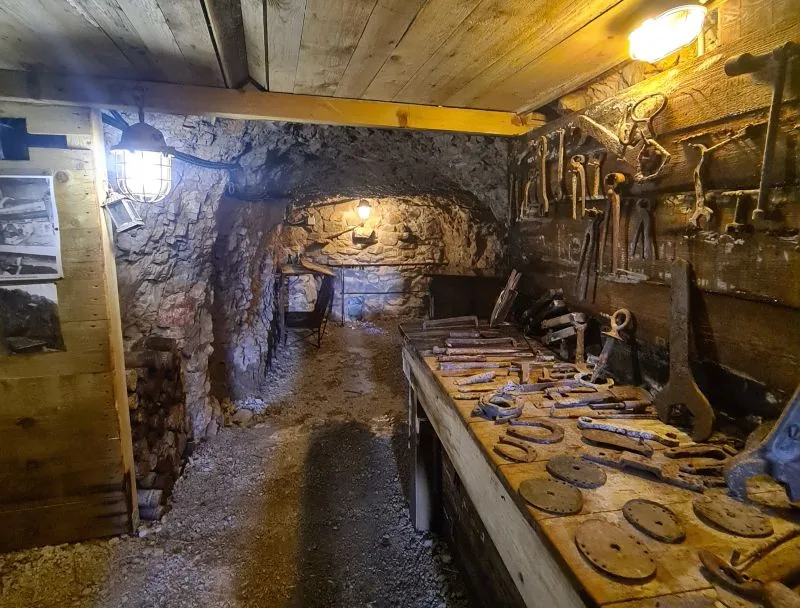
Sabotin played a pivotal role in the twelve battles of the Isonzo Front fought between 1915 and 1917. The hill formed part of the Austro-Hungarian defensive line protecting the vital city of Gorizia. Italian forces launched repeated assaults on Sabotin's well-fortified positions, facing determined resistance and horrific casualties in some of WWI's most brutal mountain warfare. The landscape was transformed into a complex network of trenches, tunnels, bunkers, and gun emplacements. Soldiers lived and fought in these confined spaces, enduring terrible conditions including cold, disease, and constant artillery bombardment. The hill changed hands multiple times during the conflict, with each attack leaving thousands dead on its slopes. The Sixth Battle of the Isonzo in August 1916 finally saw Italian forces capture Sabotin, though at enormous cost. The mountain's porous karst geology, with its natural caves and fissures, was extensively mined and expanded to create kilometers of underground tunnels and fortifications that can still be explored today. These remains provide a tangible connection to the soldiers who lived and died here.
Walk Through History
Preserved Trenches and Tunnels
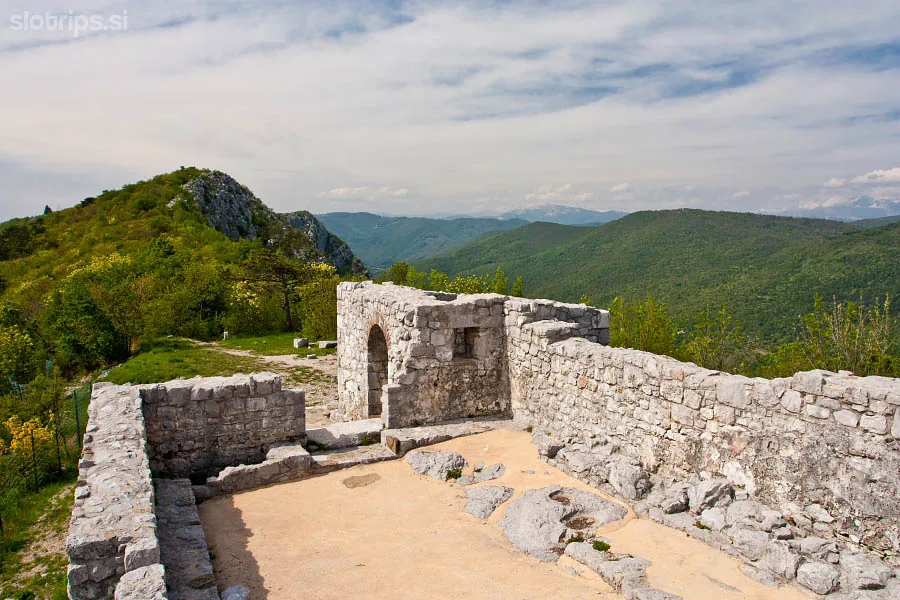
Sabotin Peace Park functions as an open-air museum, allowing visitors to explore the remarkably preserved World War I fortifications. A well-marked trail system guides visitors through the former battlefield, with informative panels explaining the historical significance of each location. The network of trenches has been carefully restored and stabilized, giving modern visitors a sense of the cramped conditions soldiers endured. The most impressive feature is the extensive tunnel system carved into the karst limestone, including command posts, ammunition storage areas, dormitories, and observation posts. These underground spaces, often lit only by dim artificial lighting, transport visitors back in time and provide a haunting glimpse into the reality of trench warfare. Information panels throughout the park detail the strategic importance of various positions, the living conditions of soldiers, and the major offensives that took place here. The park includes several memorial sites, including monuments to the fallen from both sides, emphasizing the message of reconciliation and shared remembrance rather than glorification of conflict.
A Symbol of Reconciliation
Slovenia and Italy United
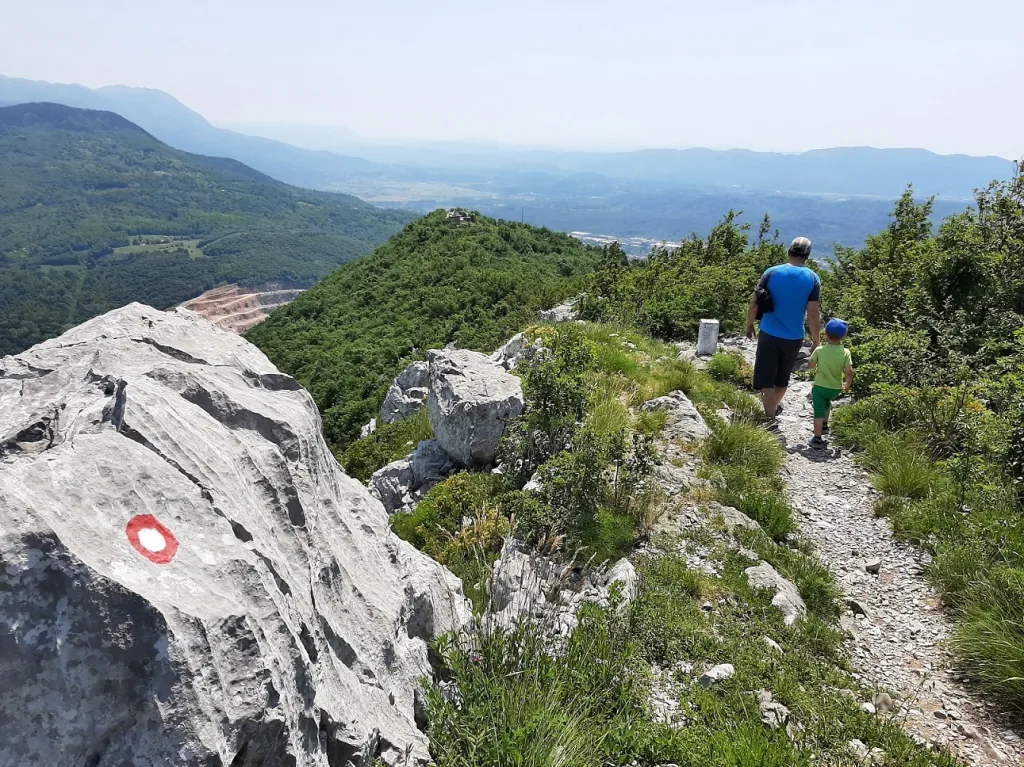
Sabotin Peace Park represents a remarkable example of cross-border cooperation and historical reconciliation. The park straddles the border between Slovenia and Italy, with both nations contributing to its establishment and maintenance. This collaborative effort symbolizes the transformation of former enemies into partners working together for peace and mutual understanding. The park's creation was supported by European Union funding for cross-border projects, highlighting its importance as a symbol of European unity. Information panels are presented in both Slovenian and Italian, reflecting the shared history of the region and its bilingual character. The park serves as an educational destination where students from both countries learn about their shared past and the importance of peace. Regular commemorative events bring together people from both sides of the border to honor those who fought and died here, regardless of which uniform they wore. This spirit of cooperation makes Sabotin more than just a historical site—it's a living example of how former adversaries can build a peaceful future together through mutual respect and shared remembrance.
Karst Landscape and Views
Nature Reclaims the Battlefield
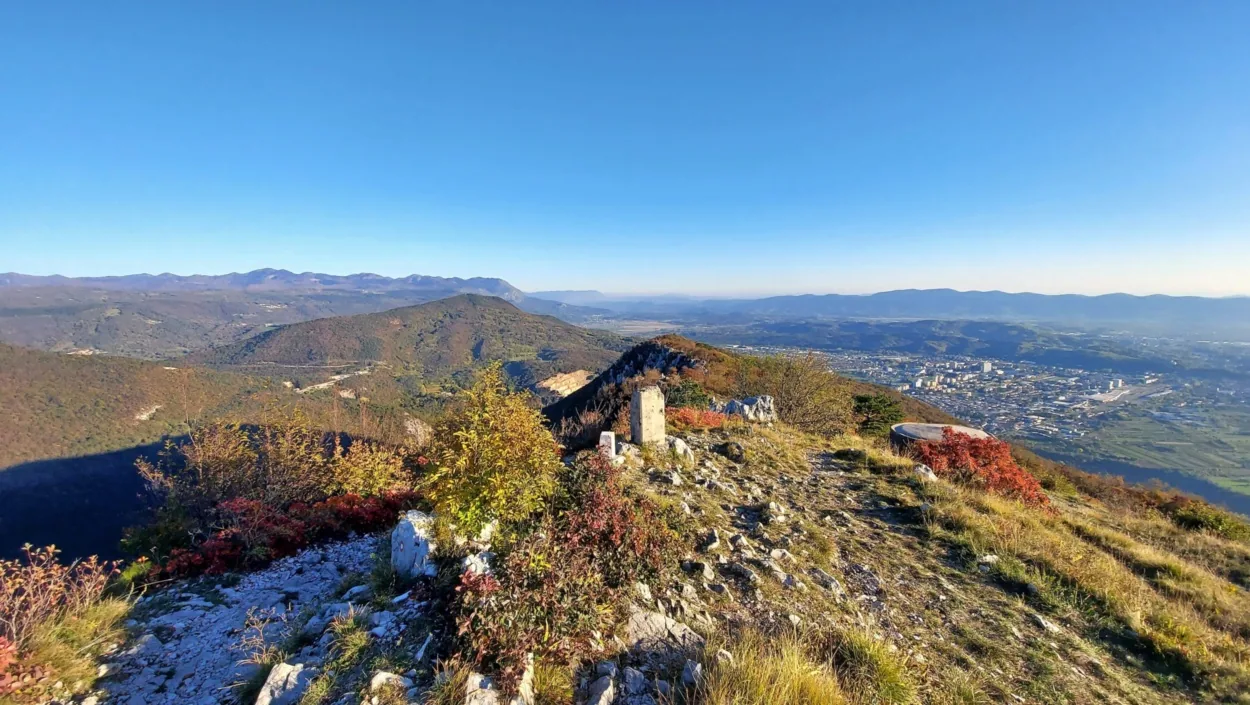
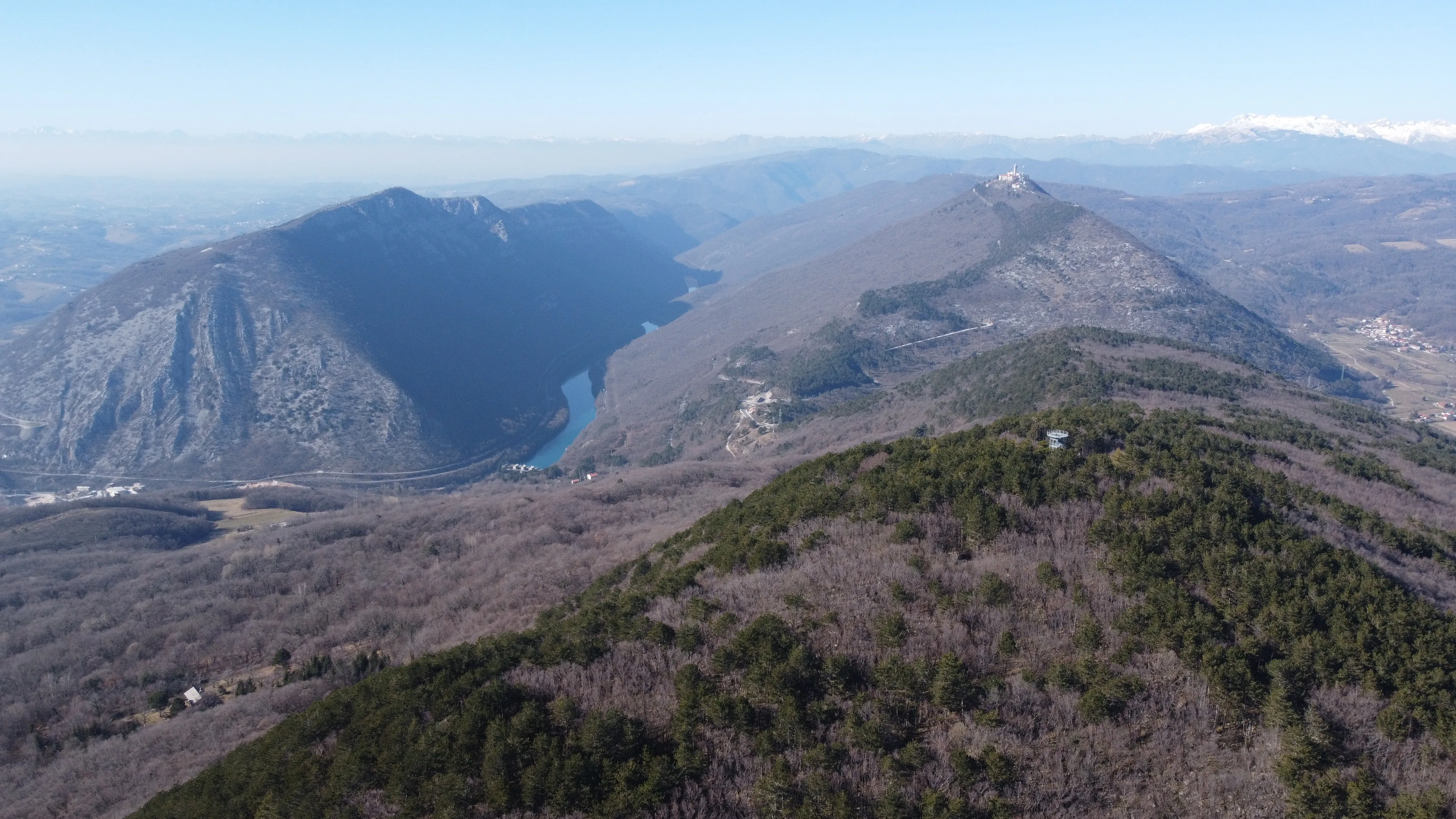
Beyond its historical significance, Sabotin offers visitors a pristine natural environment and spectacular panoramic views. The hill is part of the classic karst region, characterized by limestone bedrock, caves, and distinctive Mediterranean vegetation. Over the century since the war, nature has gradually reclaimed the battlefield, with trees and wildflowers softening the once-bared slopes. The park is home to diverse flora and fauna, including orchids, butterflies, and various bird species. The summit provides one of the best viewpoints in the region, offering sweeping vistas of the Soča Valley, the Vipava Valley, the Gorizia plain, and on clear days, even the Adriatic Sea. The contrast between this beautiful landscape and its violent history creates a powerful emotional impact on visitors. Several walking trails of varying difficulty lead through the park, allowing visitors to experience both the natural beauty and historical features at their own pace. The interplay of natural scenery and historical remains makes Sabotin a unique destination where nature and memory intertwine.
The Church of Saint Gotthard
Sacred Space on the Summit
At the summit of Sabotin stands the Church of Saint Gotthard, a sacred space that predates World War I and adds another layer of historical significance to the site. The original church was built in the 15th century, though the current structure dates from subsequent reconstructions. During World War I, the church was heavily damaged, like much of Sabotin, but has since been restored. For centuries before the war, the church was a destination for pilgrims, and this spiritual dimension adds depth to the site's significance as a Peace Park. The churchyard serves as a final resting place for some of those who died in the fighting, making it a place of active remembrance. The contrast between this peaceful place of worship and the military fortifications that surround it poignantly illustrates the intersection of faith, conflict, and memory. Today, the church continues to serve as a spiritual center, occasionally hosting religious services and commemorative events. Its presence on the summit reminds visitors that even in places marked by violence, there remains space for contemplation, prayer, and the hope for peace.
Experience Sabotin Peace Park
A Journey Through Time
Sabotin Peace Park is accessible year-round and offers visitors a profound and moving experience. The park can be reached by car, with parking available near the summit, though many visitors choose to hike up as part of the experience. The main trail through the fortifications takes approximately 2-3 hours to complete at a leisurely pace, with plenty of opportunities for exploration and photography. Comfortable walking shoes are essential, as the terrain can be uneven and slippery in wet weather. Guided tours are available by prior arrangement and provide deeper historical context and access to areas not open to the general public. The park is particularly moving to visit at sunrise or sunset, when the light transforms the landscape and the silence allows for deeper reflection. Information centers in both Solkan and Gorizia provide additional context about the Isonzo Front and the broader historical significance of the region. Whether you're a history enthusiast, a student of military strategy, or simply someone seeking to understand the human cost of war, Sabotin Peace Park offers an unforgettable experience that will leave a lasting impression.
Explore More Attractions
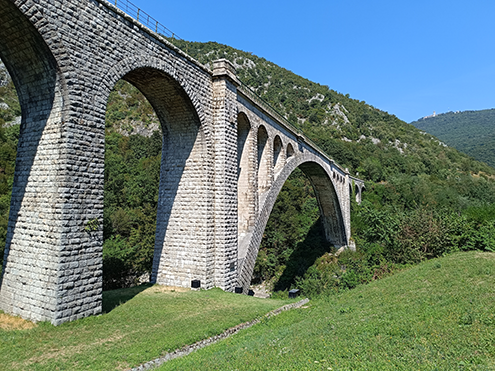
Solkan Bridge
The world's largest stone arch bridge spanning the emerald Soča River.
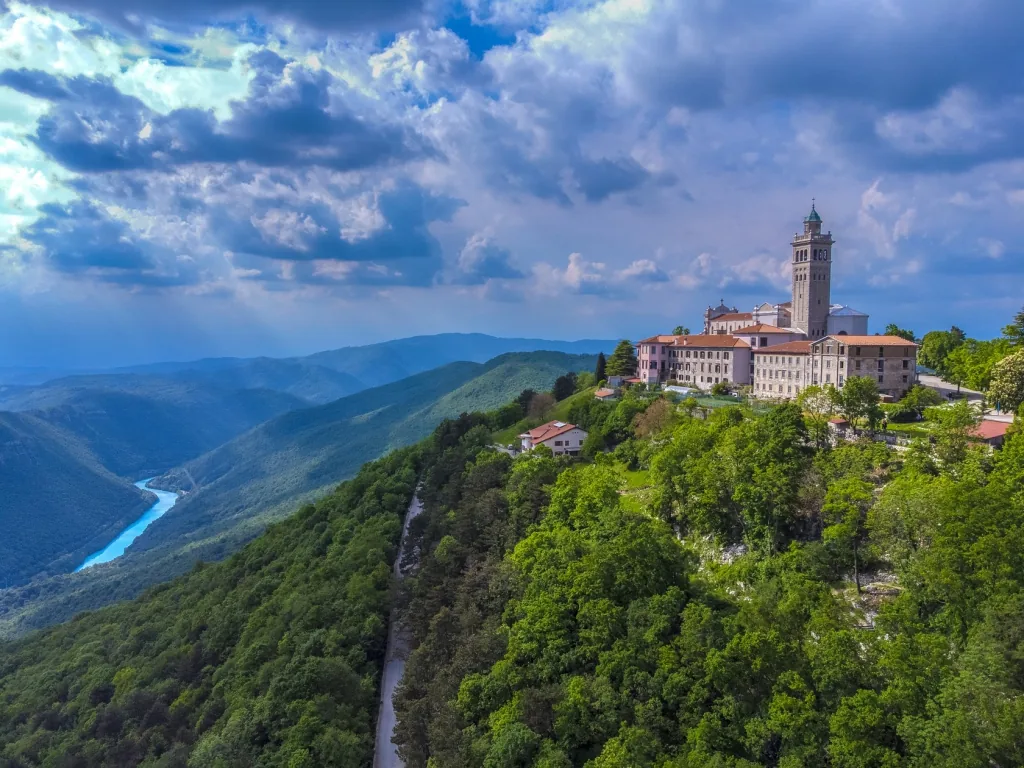
Sveta Gora
Historic pilgrimage site with panoramic views of the Soča Valley.
Nova Gorica History
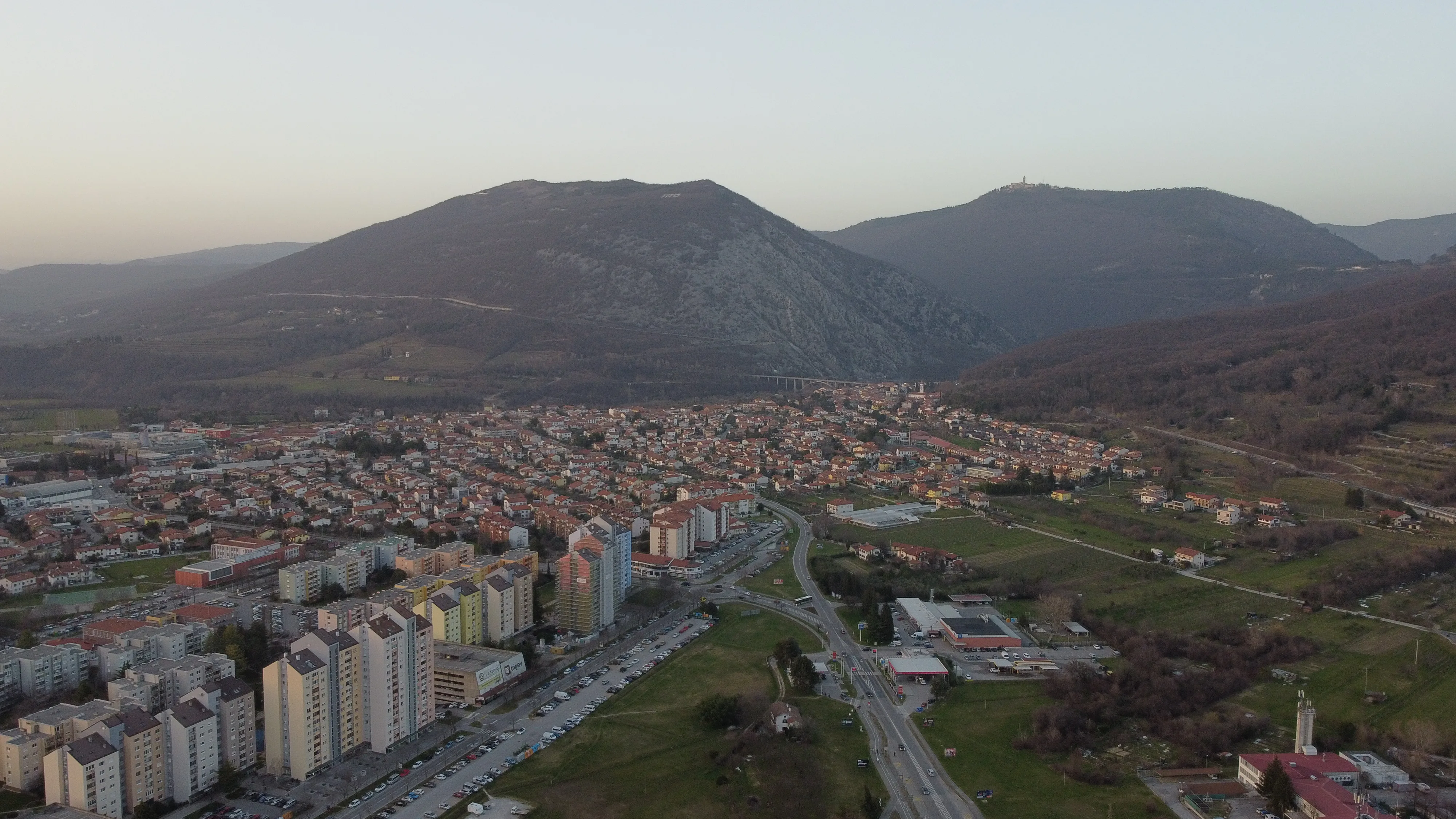
Learn how a divided border town grew into the European Capital of Culture 2025, a story of reconciliation echoed on Sabotin.
Visit Sabotin Peace Park
Walk through preserved WWI trenches and tunnels, honor those who suffered, and experience a powerful symbol of reconciliation. A moving journey through history on the border of Slovenia and Italy.