Kromberk Castle
A Renaissance mansion and cultural jewel. Explore eight centuries of history, art exhibitions, and museum treasures in this beautifully restored castle.
13th
Century Origins
Goriška
Museum
Venetian
Architecture
Park &
Lapidarium
A Noble Residence Transformed
From Private Castle to Public Museum
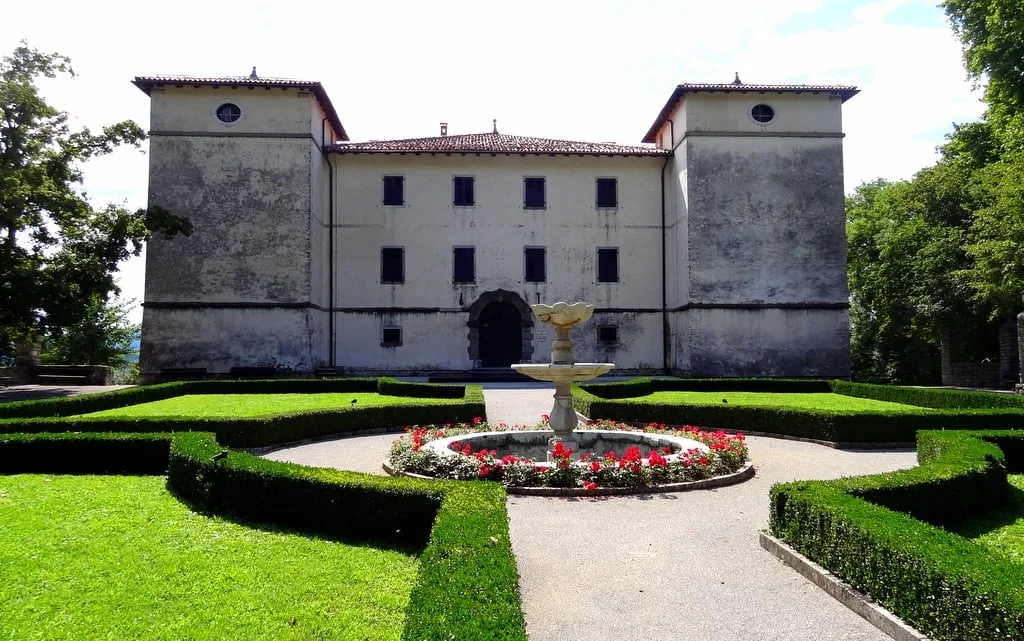
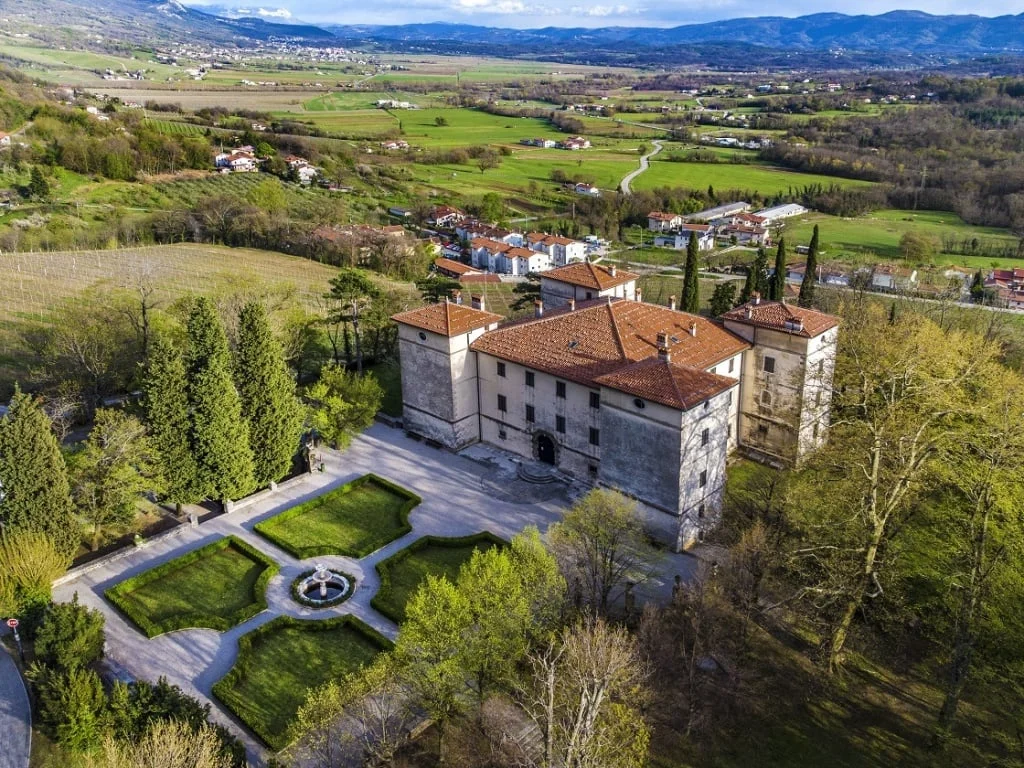
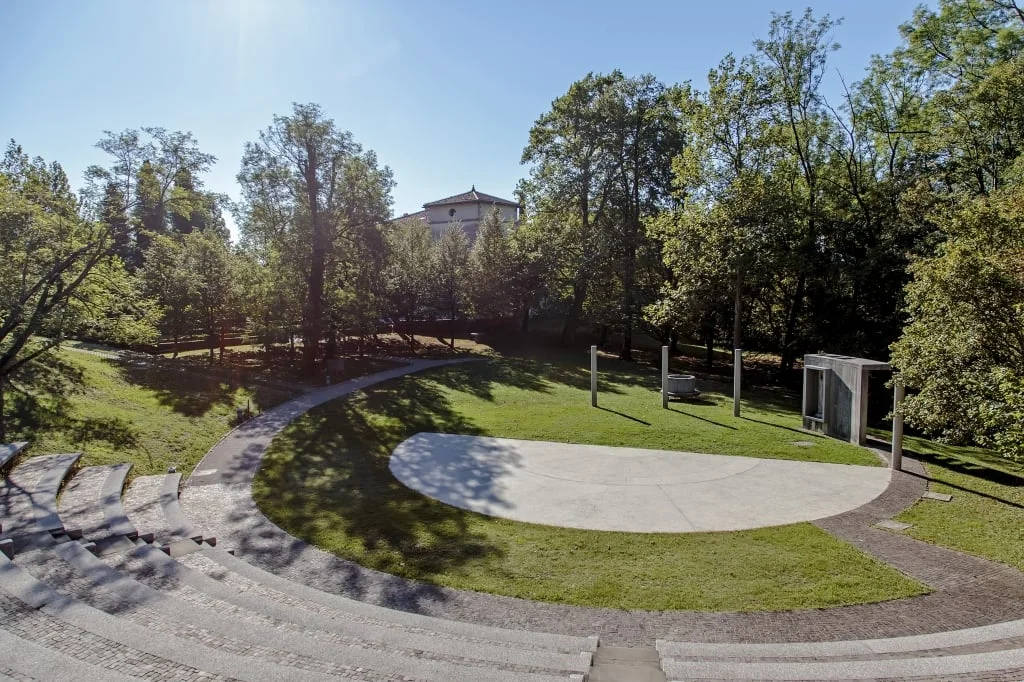
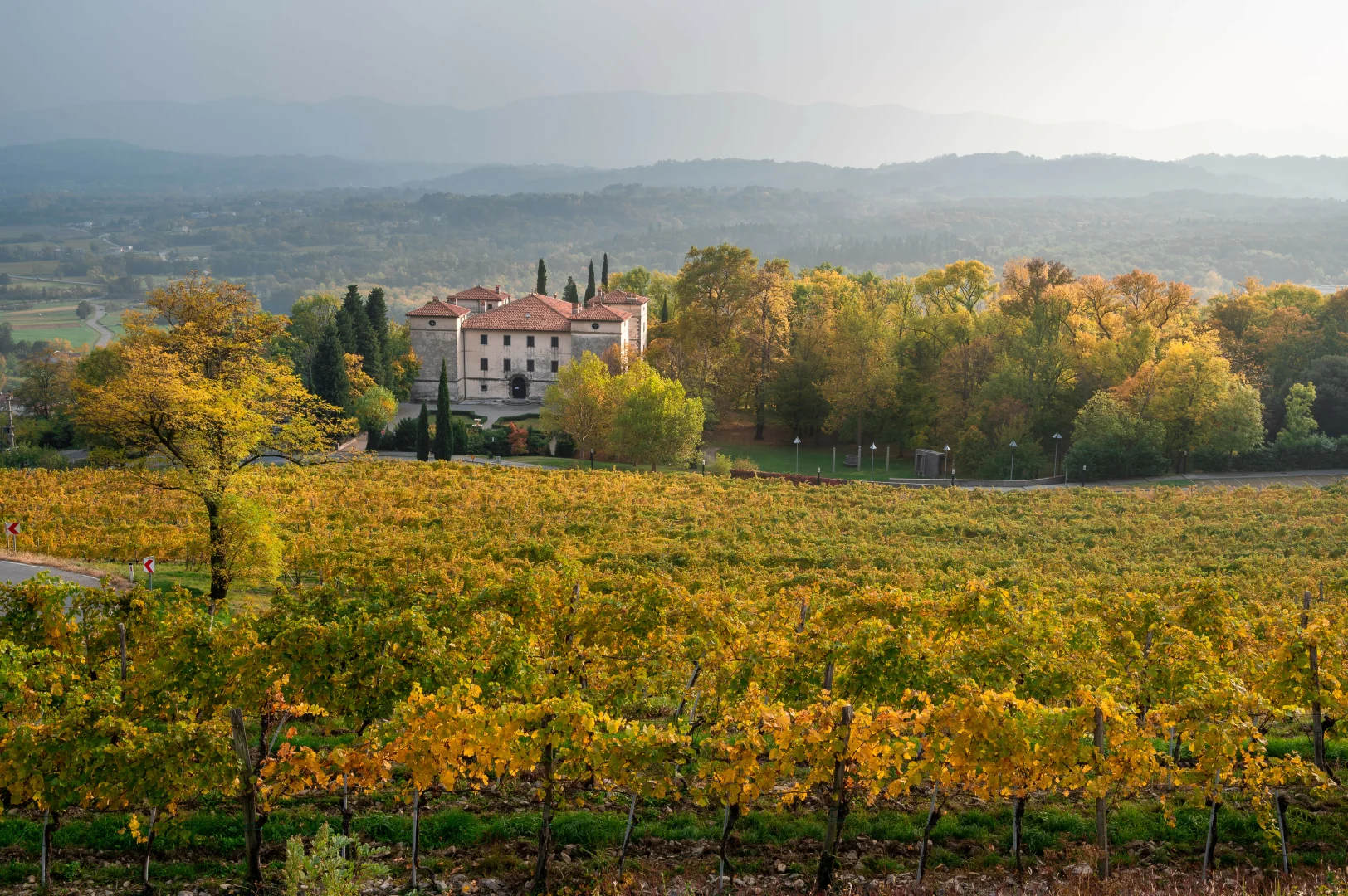
Kromberk Castle, located just a few kilometers from Nova Gorica, stands as a magnificent example of Slovenian cultural heritage. Today, it serves as the main exhibition space of the Goriška Museum, welcoming visitors to explore centuries of art and history within its historic walls. The castle is far more than a static museum—it is a vibrant place for meetings, socializing, and new discoveries. The ground floor and first floor house permanent exhibitions on art and cultural history, offering insights into the rich artistic traditions of the Goriška region. The second floor serves as a dynamic space for temporary exhibitions, lectures, symposiums, and cultural activities that keep the castle as a living center of community life. Surrounded by a beautiful park featuring an amphitheater and an open-air lapidarium, Kromberk Castle offers visitors a complete cultural experience where history, art, and nature converge in one stunning location.
From the 13th Century to Coronini Rule
Eight Centuries of History
The story of Kromberk Castle begins in the first half of the 13th century, when Count Henrik Dornberški constructed the original building in an area known as Stran. For nearly three centuries, the estate served as a fiefdom of the powerful Counts of Gorizia until their extinction in 1500, after which it passed to the Habsburgs. The castle's history took a significant turn at the end of the 16th century when Ciprian I Coronini acquired a large estate in the area. The Coronini family, originally from Berbenno near Bergamo, had come to Gorizia at the end of the 16th century and would become deeply intertwined with the castle's destiny. In 1609, Gašper Vid Dornberški sold the other part of the estate to Ciprian's grandson, Ivan Filip Coronini. On December 4, 1615, Emperor Ferdinand II granted Ivan Filip and his cousin Janez Andrej Coronini the noble title of von Cronberg, judicial authority over the village of Stran, and permission to rename the village Cronberg—marking the birth of Kromberk as we know it today.
Neu Cronberg: A Venetian-Inspired Mansion
Renaissance Elegance in the Goriška Region
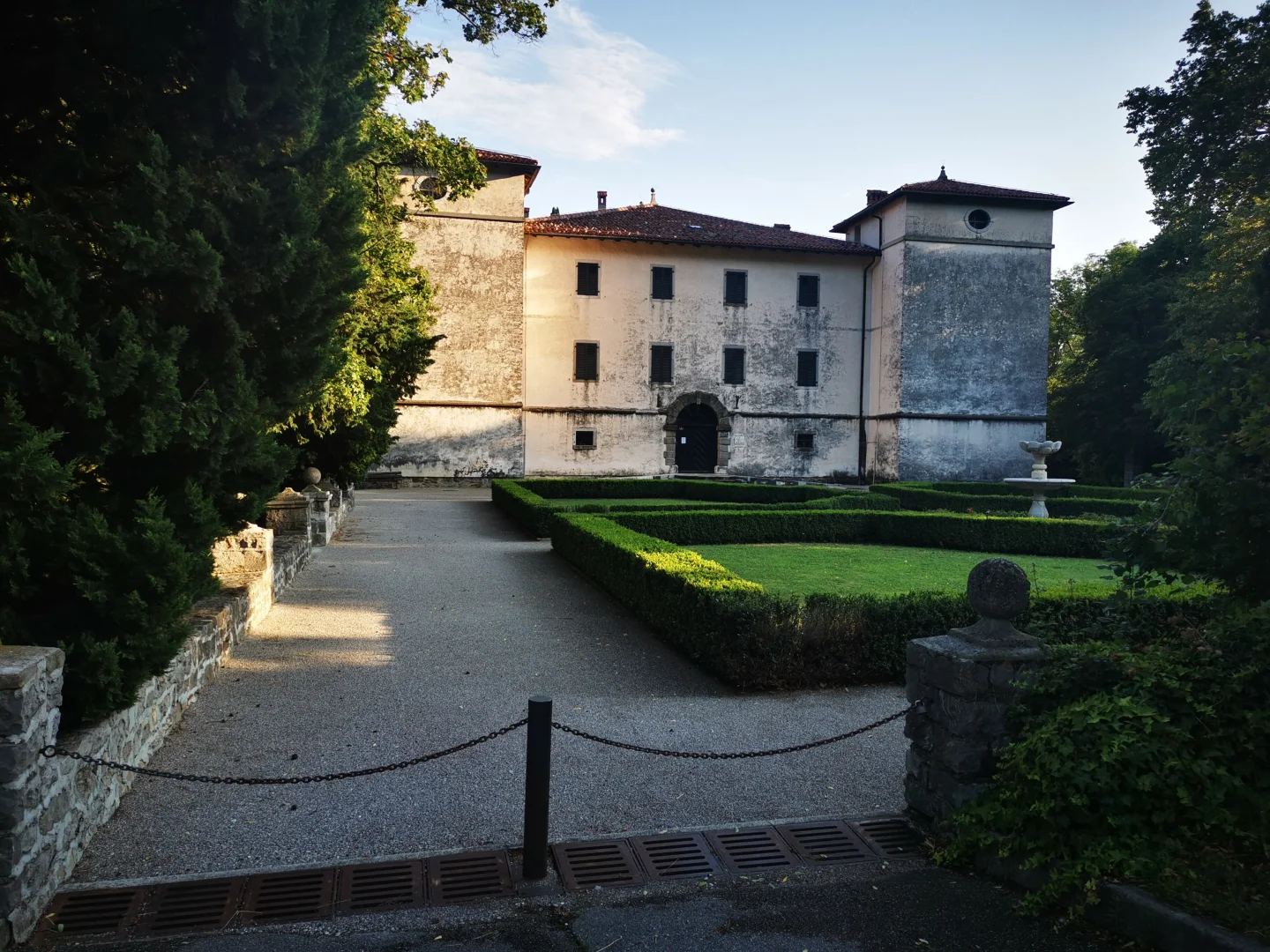
Ivan Marija Coronini began construction of a new building called Neu Cronberg, most likely completed by his son Ludvik Pompej. The building with its distinctive corner towers gives the impression of a castle, but the entire complex was actually designed as a mansion or villa, reflecting the Renaissance trend toward comfortable residential architecture over defensive fortifications. The floor plan of the building is partly based on Venetian architectural style, a testament to the cultural connections between the Goriška region and the Venetian Republic. An internal staircase on the south side leads to the upper floor, where there was a large salon—the heart of social life in the castle. This central part of the castle remained unchanged until renovations between the World Wars, when the building was raised by half a floor. In the southeast part of the ground floor, a castle chapel served both counts and villagers. It was consecrated for the second time in the early 19th century when a large altar painting by Franc Kavčič depicting the Assumption of Mary was placed there. Due to its impressive size, the painting exceeded the altar space and was instead hung as a ceiling painting—a unique artistic solution that speaks to the Coronini family's patronage of the arts.
The Coronini Family Era
From Barons to Counts
The Coronini family's rise in nobility paralleled Kromberk Castle's growing importance. In 1634, the Coroninis became state barons, and in 1681, they were elevated to state counts. Kromberk Castle became the ancestral residence of the Gorizia branch of the Coronini family for a significant period. The family's influence and wealth were reflected in the castle's grandeur and the cultural treasures it housed. In 1820, the Coroninis acquired the Zingraf mansion—today's Coronini Palace in Gorizia—from the Strassoldo family. Following this acquisition, Kromberk Castle transitioned from primary residence to summer residence, though it maintained its importance as a symbol of family status and heritage. The castle's walls echoed with the cultural and intellectual life of the region, as the Coroninis hosted gatherings, maintained extensive libraries and archives, and patronized the arts. Their collections included priceless manuscripts, artwork, and historical documents that chronicled not only family history but the broader story of the Goriška region.
Surviving Two World Wars
Destruction and Rebirth
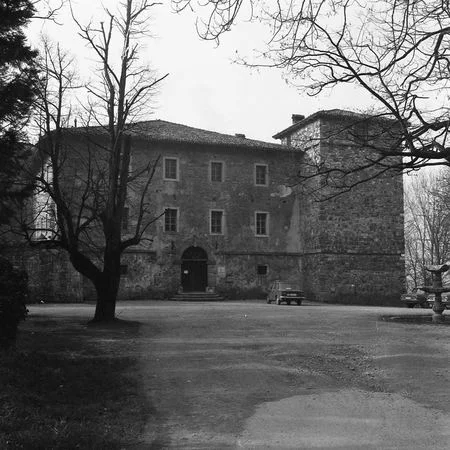
Kromberk Castle's resilience has been tested by the fires of two World Wars. During World War I, in 1916, the castle burned down and both northern towers were destroyed. Despite the devastation, the libraries and archives of the Coronini, Rabatta, and Cobenzl families were partially saved and moved to Gorizia. In 1936, Viljem Coronini, the last count of the Gorizia branch of the family, began a painstaking renovation of the castle. He brought missing furnishings from his other estates and raised the building by half a floor, demonstrating his commitment to preserving his family's legacy. However, tragedy struck again during World War II. When partisans attempted to capture Gorizia from the Germans after Italy's surrender in 1943, the castle was burned down once more. Count Viljem managed to save only five pieces of furniture, a few paintings, and some books—a fraction of the castle's former glory. Yet the count's dedication remained undeterred. After the war, he began renovating again, this time with the help of the Allied military administration and the Italian monument service from Trieste, exemplifying how cultural heritage can transcend political boundaries.
The Goriška Museum
A New Chapter Begins
After the Paris Peace Conference, the entire area became part of Yugoslavia, marking a new chapter in Kromberk's history. Since 1954, the castle has been the seat of the Goriška Museum, which undertook extensive restoration work to restore the castle to its former glory. The restoration proceeded in several phases, demonstrating careful stewardship of this cultural treasure. In 1963, the northwestern tower was reconstructed, followed by the northeastern tower in 1978, restoring the castle's distinctive silhouette. At the end of the 1970s, the museum began post-earthquake restoration, further strengthening the structure. The interior was renovated according to the ideas of architect Janez Suhadolc, who harmonized modern museum requirements with historical preservation. Today, the Goriška Museum uses the castle to showcase permanent exhibitions on art and cultural history on the ground and first floors, while the second floor hosts temporary exhibitions, lectures, and symposiums. The castle has successfully transformed from a private noble residence to a public cultural institution, serving thousands of visitors annually and continuing its mission of education and cultural enrichment.
Park and Lapidarium
Culture Meets Nature
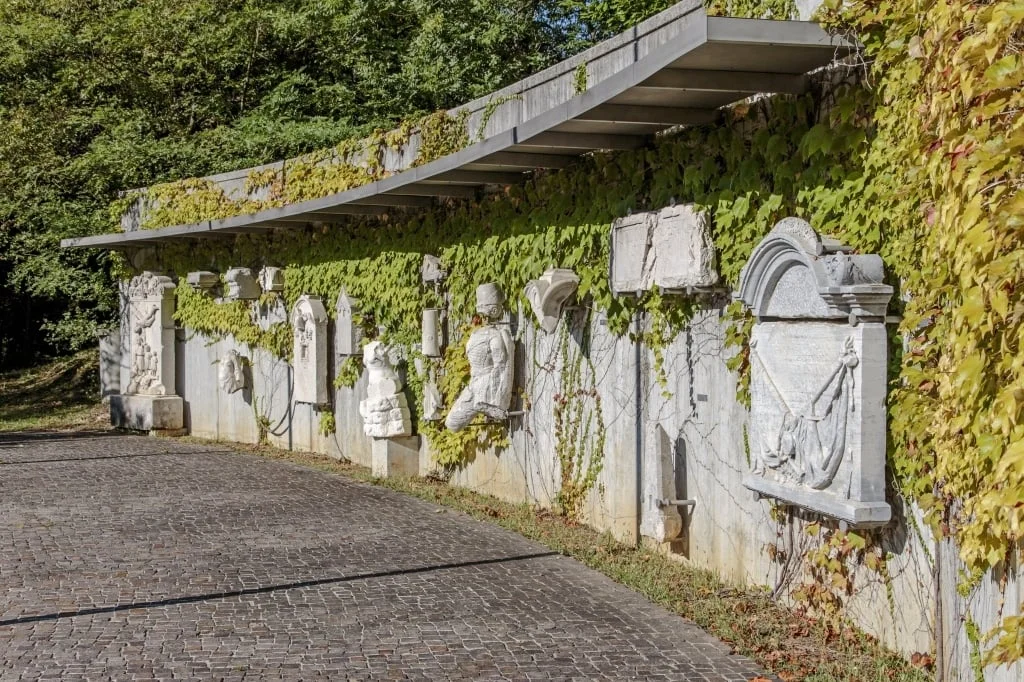
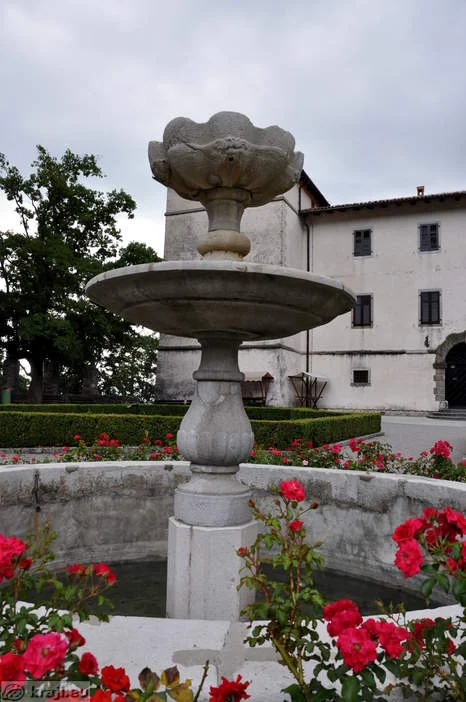
Beyond the castle walls, visitors can explore the beautiful surrounding park that adds to Kromberk's charm as a cultural destination. The park features an open-air amphitheater that hosts various cultural events, performances, and concerts throughout the warmer months, allowing visitors to experience culture in a unique historical setting. Perhaps the most distinctive feature of the grounds is the open-air lapidarium—a collection of stone monuments, architectural fragments, and archaeological finds that provide a tangible connection to the region's ancient and medieval past. These stone artifacts, arranged carefully throughout the park, offer visitors the opportunity to walk through centuries of history in a single afternoon. The park itself provides a peaceful setting for contemplation and relaxation, with mature trees offering shade and scenic views of the castle from multiple angles. The combination of indoor museum exhibitions and outdoor historical displays makes Kromberk Castle a comprehensive cultural destination where visitors can immerse themselves in the rich heritage of the Goriška region. The surrounding walls, which likely served more to mark estate boundaries and protect privacy than for defense, created a secluded enclave that today invites visitors to step back in time.
Experience Kromberk Castle
A Journey Through Time
Kromberk Castle welcomes visitors throughout the year, offering a rich cultural experience just minutes from Nova Gorica. The museum's permanent collections provide insight into the artistic and cultural development of the Goriška region, while temporary exhibitions ensure there's always something new to discover. The castle's architectural features—from its corner towers to the Venetian-inspired floor plan—offer a fascinating study in Renaissance residential architecture. Art enthusiasts will appreciate the preserved fragments of Franc Kavčič's altar painting and other works in the museum's collection. History buffs can explore the castle's eight-century journey from medieval fortress to modern museum. The park and lapidarium provide perfect settings for leisurely strolls and outdoor learning. Special events, lectures, and symposiums held at the castle offer deeper engagement with specific aspects of regional history and culture. Whether you're interested in art, architecture, history, or simply seeking a beautiful setting for cultural enrichment, Kromberk Castle offers something for every visitor. Plan to spend several hours exploring the castle, its exhibitions, and the surrounding park to fully appreciate this cultural gem of the Goriška region.
Discover Kromberk Castle
Step into eight centuries of history at this beautifully restored Renaissance mansion. Explore art exhibitions, wander through the lapidarium, and experience the cultural heart of the Goriška region.