Impressionism and Modernity
Masterpieces from the Kunst Museum Winterthur
91 extraordinary works by Van Gogh, Monet, Picasso, Kandinsky & more
A Once-in-a-Lifetime Encounter with European Masterpieces
The largest Swiss collection of Impressionism and Modern Art travels to Italy for the first time
The exhibition "Impressionism and Modernity. Masterpieces from the Kunst Museum Winterthur" represents one of the most significant art events of 2026 in the European Capital of Culture region. This extraordinary exhibition brings 91 masterpieces from the world-renowned Kunst Museum Winterthur in Switzerland to the heart of Friuli Venezia Giulia, offering visitors an unprecedented opportunity to experience the evolution of European art from Impressionism to the dawn of Modernism and beyond.
Curated by Dr. David Schmidhauser, Curator of Modern Art at the Kunst Museum Winterthur, and Vania Gransinigh from the Università di Udine, the exhibition traces a fascinating journey through the pivotal artistic movements that defined European culture between the late 19th and mid-20th centuries. From the luminous landscapes of the Impressionists to the bold abstractions of Modernism, the collection showcases how artists progressively broke away from academic traditions to explore new forms of expression, colour, and composition.
This exhibition is the result of a remarkable collaboration between PromoTurismoFVG, the Municipality of Udine, and MondoMostre, one of Italy's leading exhibition organisations. The project underscores the cultural ambitions of the GO! 2025 European Capital of Culture, positioning the cross-border region of Nova Gorica and Gorizia as a vibrant hub for international cultural exchange.
About the Kunst Museum Winterthur
The Kunst Museum Winterthur (Museum of Art Winterthur) houses Switzerland's most important collection of Impressionism and Modern Art, alongside one of the country's largest photography collections. Located in the charming city of Winterthur, near Zürich, the museum's collection of paintings and sculptures spans from the late 19th century to the present day.
The museum's exceptional Impressionist holdings owe much to the visionary patronage of local industrial families, particularly the Reinhart brothers — Oskar Reinhart and his half-brother Gottlieb Friedrich Reinhart — who amassed one of Europe's most significant private collections of 19th and early 20th-century art. Their passion for collecting works by the great masters of modern European art created a legacy that continues to inspire visitors from around the world.
Since its founding in 1915, the museum has grown to encompass approximately 13,000 works of art, including major paintings, sculptures, and an extensive collection of over 25,000 photographs. The museum building itself, designed by architects Gigon/Guyer, was inaugurated in 1995 and features striking yellow-orange panelling that has become an iconic architectural landmark.
Meet the Masters on Display
91 works spanning Impressionism, Post-Impressionism, Cubism, Surrealism, and Abstract Art
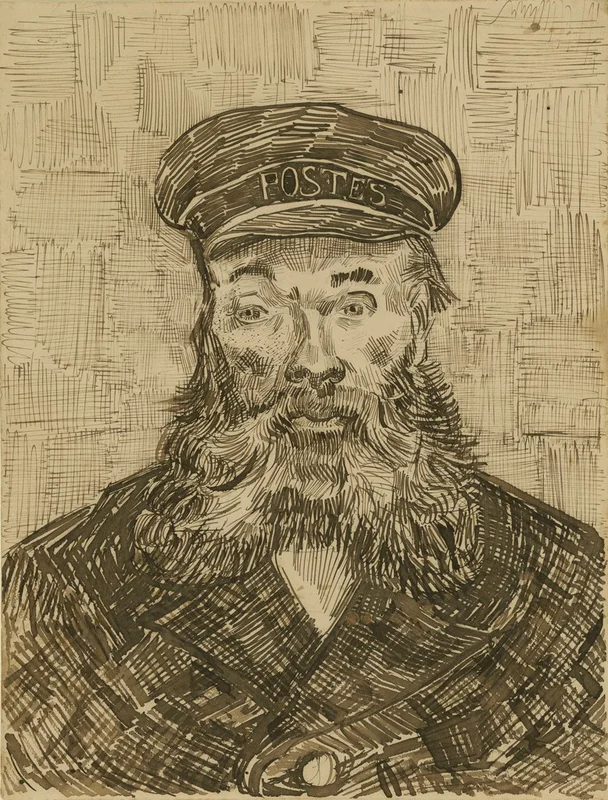
Vincent van Gogh
One of the most celebrated figures in Western art history, Van Gogh created approximately 2,100 artworks in just over a decade. His bold colours, expressive brushwork, and emotional depth revolutionised painting. Though he struggled with mental health and remained largely unrecognised during his lifetime, his work now commands the world's highest auction prices.
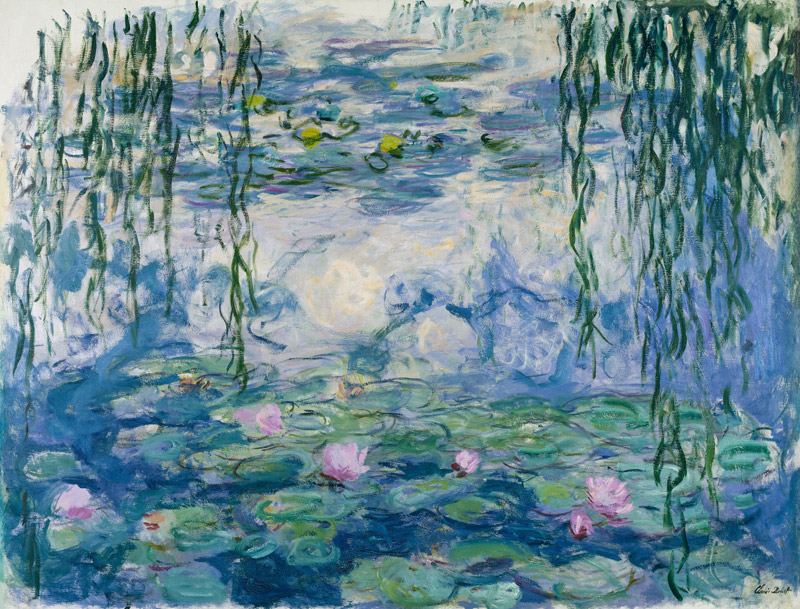
Claude Monet
The founder of French Impressionism, Monet's philosophy of capturing the fleeting effects of light and atmosphere changed the course of art history. His serial paintings of haystacks, cathedrals, and water lilies demonstrated his lifelong obsession with depicting nature's transient beauty through colour and light.
Camille Pissarro
Often called the "father of Impressionism," Pissarro was the only artist to exhibit in all eight Paris Impressionist exhibitions. His landscapes, cityscapes, and rural scenes capture the poetry of everyday life with remarkable sensitivity to light and atmosphere. He mentored major artists including Cézanne, Gauguin, and Van Gogh.
Alfred Sisley
Born in Paris to British parents, Sisley remained devoted to the Impressionist style throughout his career, focusing almost exclusively on landscape painting. His works are celebrated for their delicate handling of light, particularly in scenes of the Seine, snow-covered villages, and stormy skies. He painted more than 900 oil paintings, primarily of the French countryside.
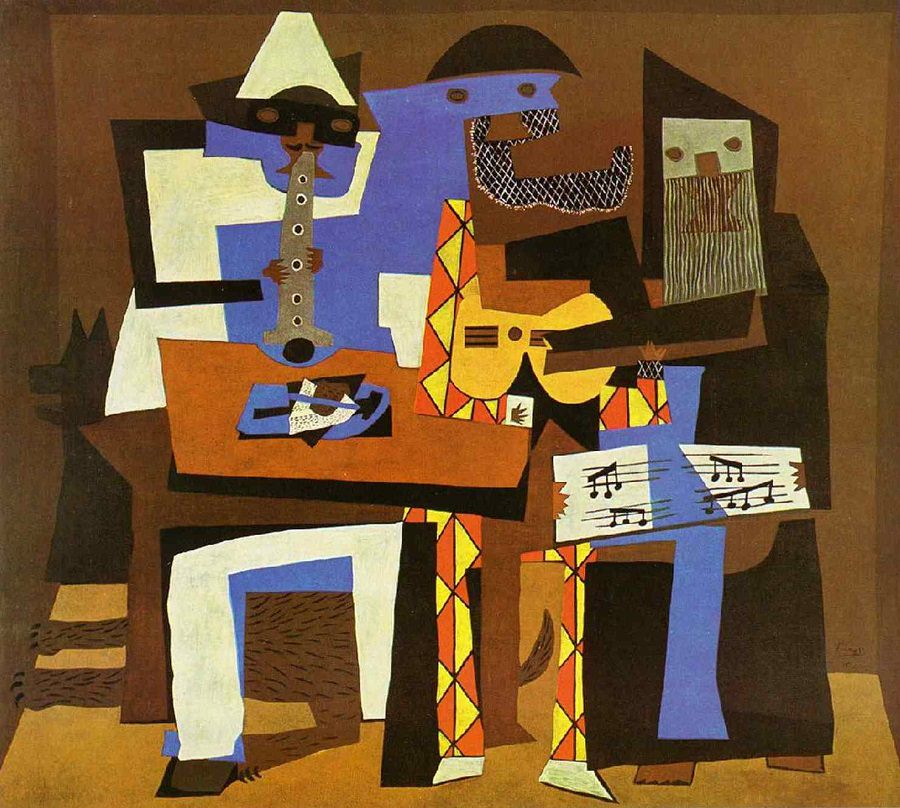
Pablo Picasso
The most influential artist of the 20th century, Picasso co-founded Cubism and introduced radical innovations that transformed European painting and sculpture. His prolific career spanned over 75,000 works across multiple styles — from the Blue Period and Rose Period to Analytic and Synthetic Cubism. His "Portrait of Suzanne Bloch" (1904) remains one of the most important portraits from his early career.
Piet Mondrian
A pioneer of abstract art, Mondrian evolved from traditional landscape painting to his signature "Neoplasticism" — compositions of black grids filled with primary colours and white spaces. His search for universal harmony through pure abstraction profoundly influenced modern design, architecture, and fashion, making him one of the most recognisable artists in the world.
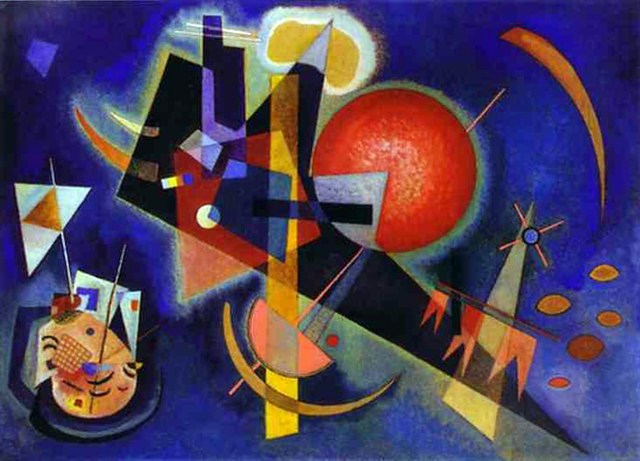
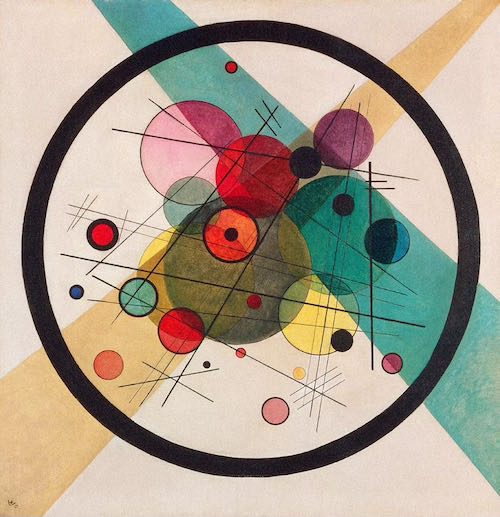
Wassily Kandinsky
Considered the father of abstract art, Kandinsky believed that colours and forms could express spiritual truths independent of visual reality. As a founding member of the Blue Rider (Der Blaue Reiter) group, he created works that translated music into visual compositions. His theories on art, published in "Concerning the Spiritual in Art," remain foundational texts for understanding modern abstraction.
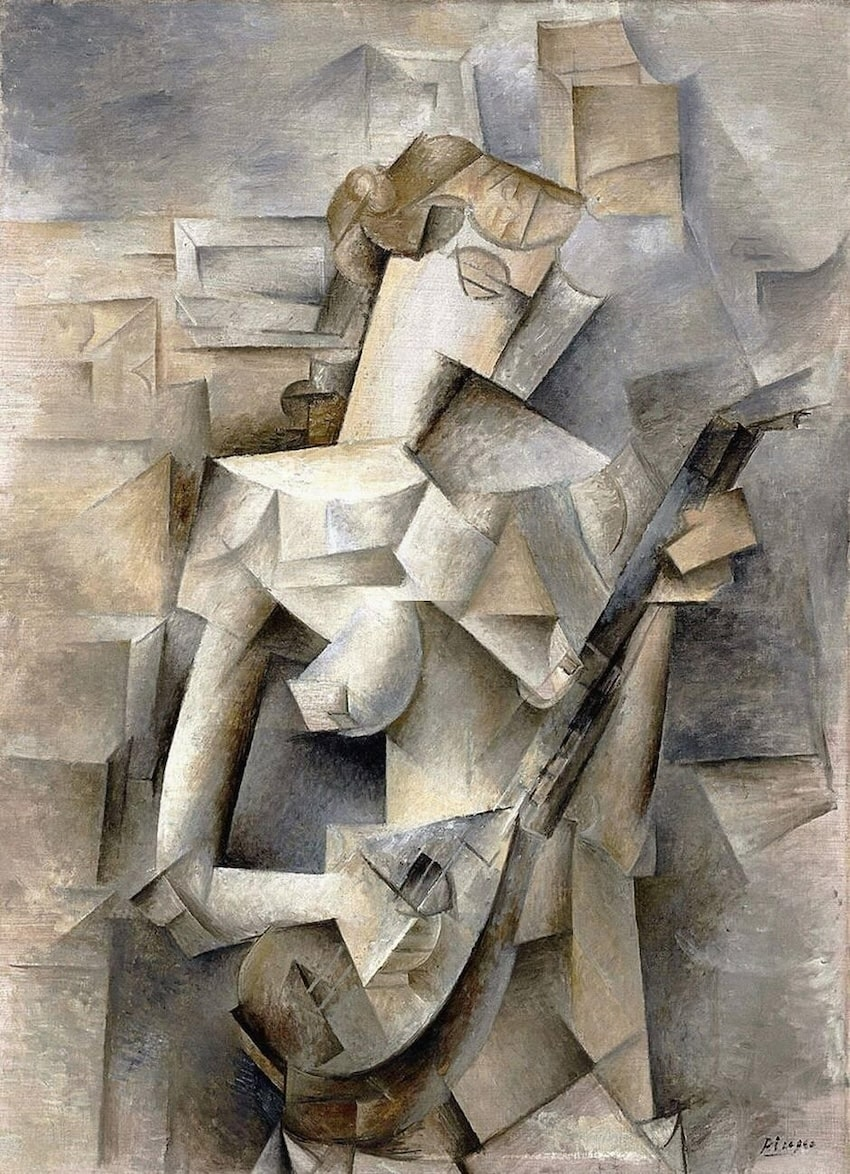
René Magritte
One of the most iconic Surrealist painters, Magritte challenged viewers' perceptions through witty, thought-provoking images that subverted everyday reality. His precise, realistic painting style combined with impossible scenarios created unforgettable visual paradoxes. Works like "The Treachery of Images" ("This is not a pipe") changed how we think about representation and reality.
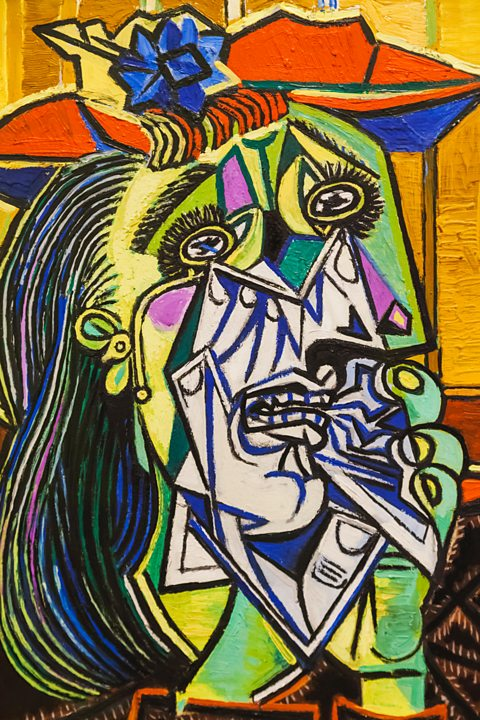
Max Ernst
A primary pioneer of both Dada and Surrealism, Ernst invented groundbreaking techniques including frottage (rubbing), grattage (scraping), and decalcomania to create haunting, dreamlike imagery. His works explore the unconscious mind, combining fantastical creatures, ancient myths, and psychological symbolism. The Kunst Museum Winterthur holds one of the world's largest Ernst collections.
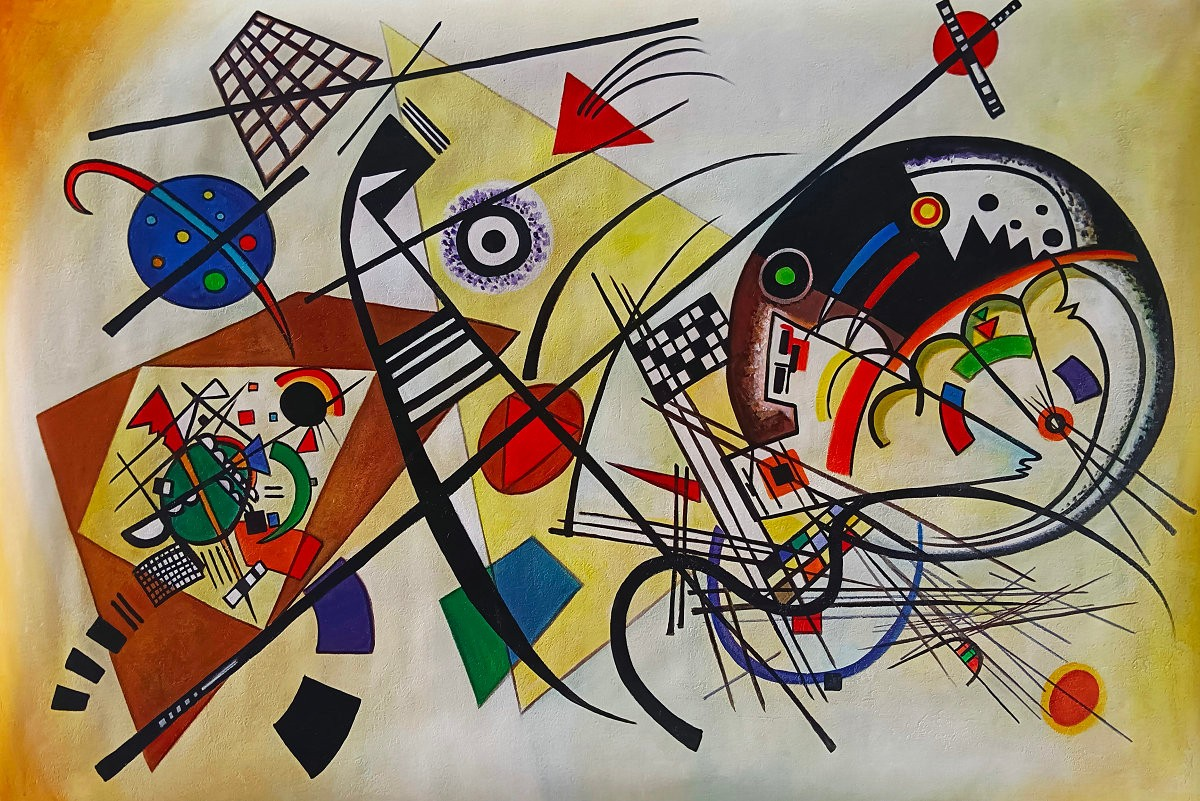
Paul Klee
A master of colour theory and poetic abstraction, Klee taught at the legendary Bauhaus school alongside Kandinsky. His nearly 10,000 works range from childlike drawings to complex colour-field compositions. Klee believed art should reveal invisible realities, creating a unique visual language that blended Cubism, Expressionism, and Surrealism into deeply personal, symbolic imagery.
Giorgio de Chirico
The founder of the "Scuola Metafisica" (Metaphysical art), De Chirico created haunting, enigmatic cityscapes that profoundly influenced Surrealism. His paintings of empty piazzas, long shadows, and mysterious mannequins evoke a dreamlike atmosphere of anxiety and anticipation. His work bridges late Symbolism and early Modernism, making him a crucial figure in 20th-century art.
And Many More
The exhibition features a total of 91 works by over 30 international artists, including masters of Impressionism, Post-Impressionism, Symbolism, Fauvism, Cubism, Futurism, Expressionism, Dada, Surrealism, and Abstract Art. Each work has been carefully selected to tell the story of European art's most transformative century.
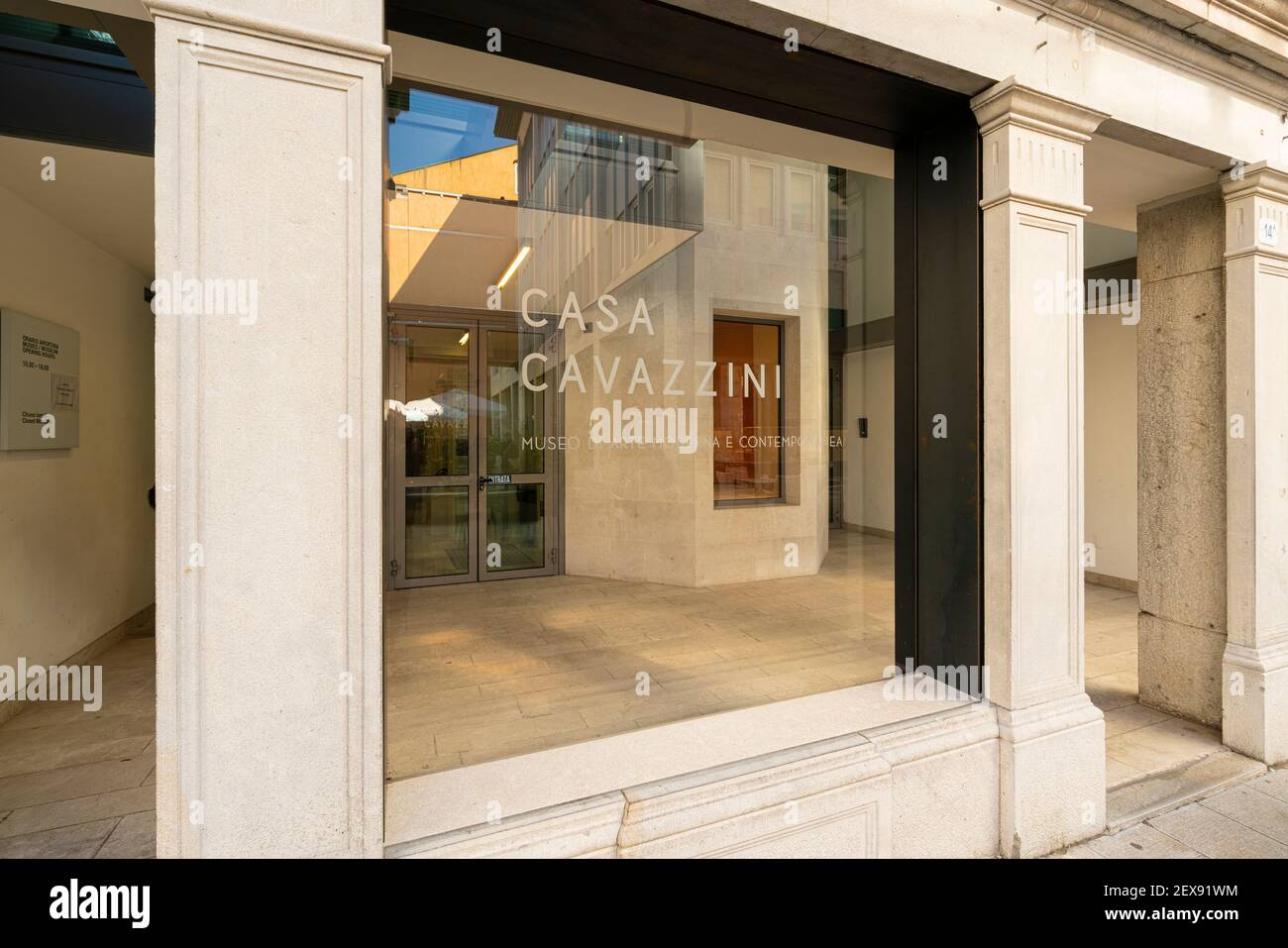
Casa Cavazzini — Museum of Modern and Contemporary Art
A Renaissance Palace Turned Contemporary Museum
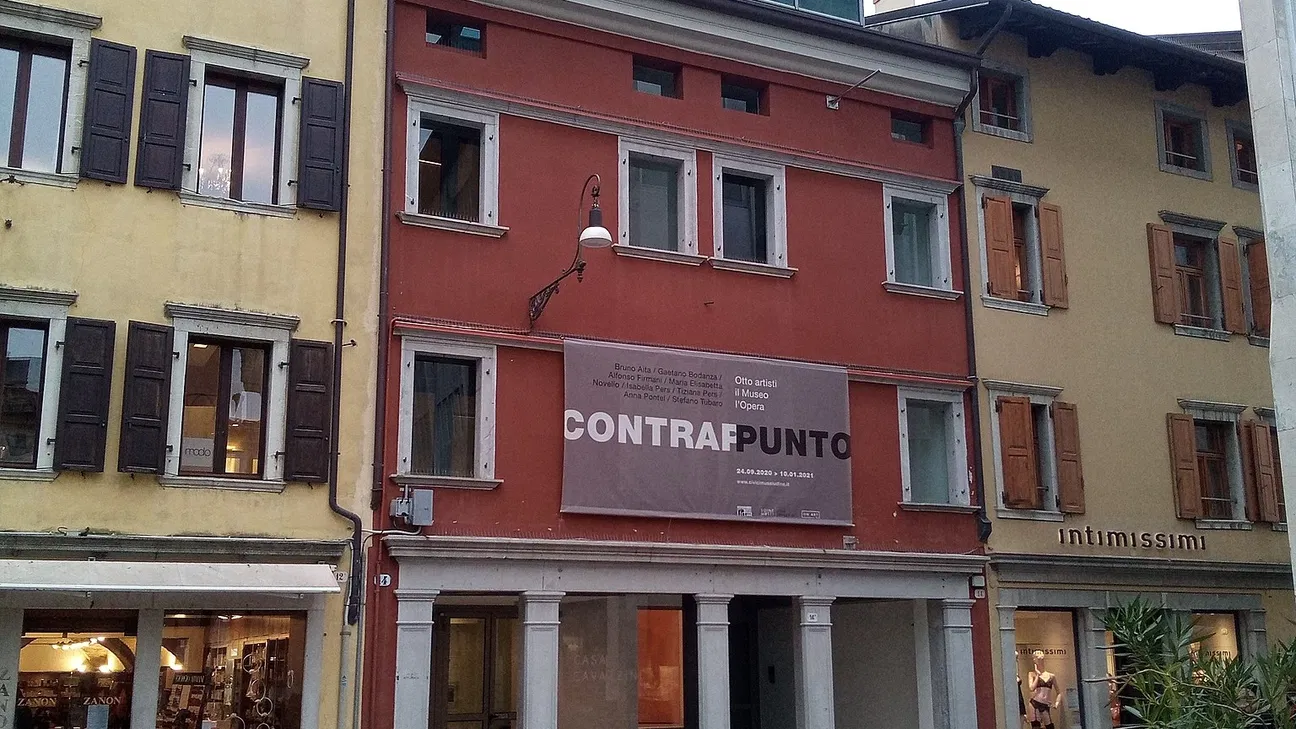
The exhibition is hosted at Casa Cavazzini, Udine's premier Museum of Modern and Contemporary Art, located on the elegant Via Cavour in the heart of the historic city centre. This stunning 16th-century Renaissance palace has been masterfully restored and transformed into a state-of-the-art museum space, seamlessly blending historic architecture with contemporary exhibition design.
The museum's modern extension, designed by architect Giorgio Grassi, provides spacious, light-controlled galleries that are perfectly suited for showcasing masterpieces of this calibre. The building's versatile spaces allow curators to create an immersive journey through the artworks, guiding visitors from the Impressionist salons to the bold experiments of Modernism in a carefully choreographed experience.
Casa Cavazzini has established itself as one of Italy's most dynamic venues for modern and contemporary art, regularly hosting major exhibitions that draw visitors from across Europe. Its central location in Udine makes it easily accessible, surrounded by charming cafés, historic architecture, and the vibrant atmosphere of this beautiful Friulian city.
Everything You Need to Know
Dates
February 15 – August 30, 2026
(Exhibition extended to August 30)
Opening Hours
Tue – Sun: 10:00 – 19:00
Closed Mondays
Last entry: 18:00
Tickets
Full: €15
Reduced: €12
Children under 12: Free
Address
Casa Cavazzini
Via Cavour, 14
33100 Udine, Italy
Guided Tours
Available in Italian, English, and German
Advance booking recommended
Group tours available
Official Website
impressionismomodernita.it
For tickets and reservations
Getting There from Nova Gorica
Udine is just a short journey away — making this world-class exhibition easily accessible
Reaching Udine from Nova Gorica is straightforward and convenient, with multiple travel options available. The journey takes approximately 45 minutes to 1 hour, making it perfect for a day trip or a weekend cultural getaway.
Nova Gorica
Start your journey from Nova Gorica bus or train station
Gorizia
Cross the border to Gorizia Centrale train station (5 min walk)
Udine
Direct train to Udine (~35–40 min)
Casa Cavazzini
10 min walk from Udine station to Via Cavour 14
By Train (Recommended)
Take a direct train from Gorizia Centrale to Udine. The journey takes approximately 35–40 minutes with frequent departures throughout the day. From Udine station, Casa Cavazzini is a pleasant 10-minute walk through the historic centre.
By Bus
Regional bus services connect Nova Gorica with Udine regularly. Check TPL FVG for current schedules. The bus journey takes approximately 50–60 minutes depending on stops.
By Car
Drive from Nova Gorica via the A34 motorway, then take the A4 towards Trieste/Venice and exit at Udine Sud. The journey takes approximately 40 minutes. Paid parking is available near the city centre.
Cross-Border Cultural Programme
This exhibition is part of the GO! 2025 European Capital of Culture programme. Special shuttle services and combined tickets may be available — check the official GO! 2025 website for updates.
Six Reasons Not to Miss This Exhibition
1. See 91 Masterpieces in One Place
This is a rare opportunity to view 91 exceptional works from one of Europe's most prestigious private-turned-public collections, featuring masterpieces that are rarely loaned for international exhibitions.
2. Art History in a Single Visit
Trace the complete arc of European modern art — from Impressionism and Post-Impressionism through Cubism, Surrealism, and Abstract Art — all in one carefully curated exhibition.
3. Iconic Artists Under One Roof
Van Gogh, Monet, Picasso, Kandinsky, Magritte, Mondrian, and more — see works by the greatest masters who shaped the course of 20th-century art and culture.
4. A Beautiful Setting
Casa Cavazzini in Udine's historic centre provides an elegant, intimate setting for experiencing these masterpieces, away from the crowds of Europe's mega-museums.
5. Part of GO! 2025
Experience the cultural programme of the European Capital of Culture, celebrating the unique cross-border identity of Nova Gorica and Gorizia through world-class artistic events.
6. Easy Day Trip
Just 45 minutes from Nova Gorica, Udine offers charming cafés, Friulian cuisine, and beautiful architecture — making it the perfect destination for a cultural day out.