About the Show
"Gli Dei dell'Olimpo" (The Gods of Olympus) is a captivating 60-minute theatrical production that brings the immortal stories of ancient Greece to life on the Gorizia stage. Presented as part of the summer program at the historic Teatro Comunale G. Verdi, this enchanting show combines actor-driven theatre with live music to create an unforgettable experience for audiences aged 5 and up.
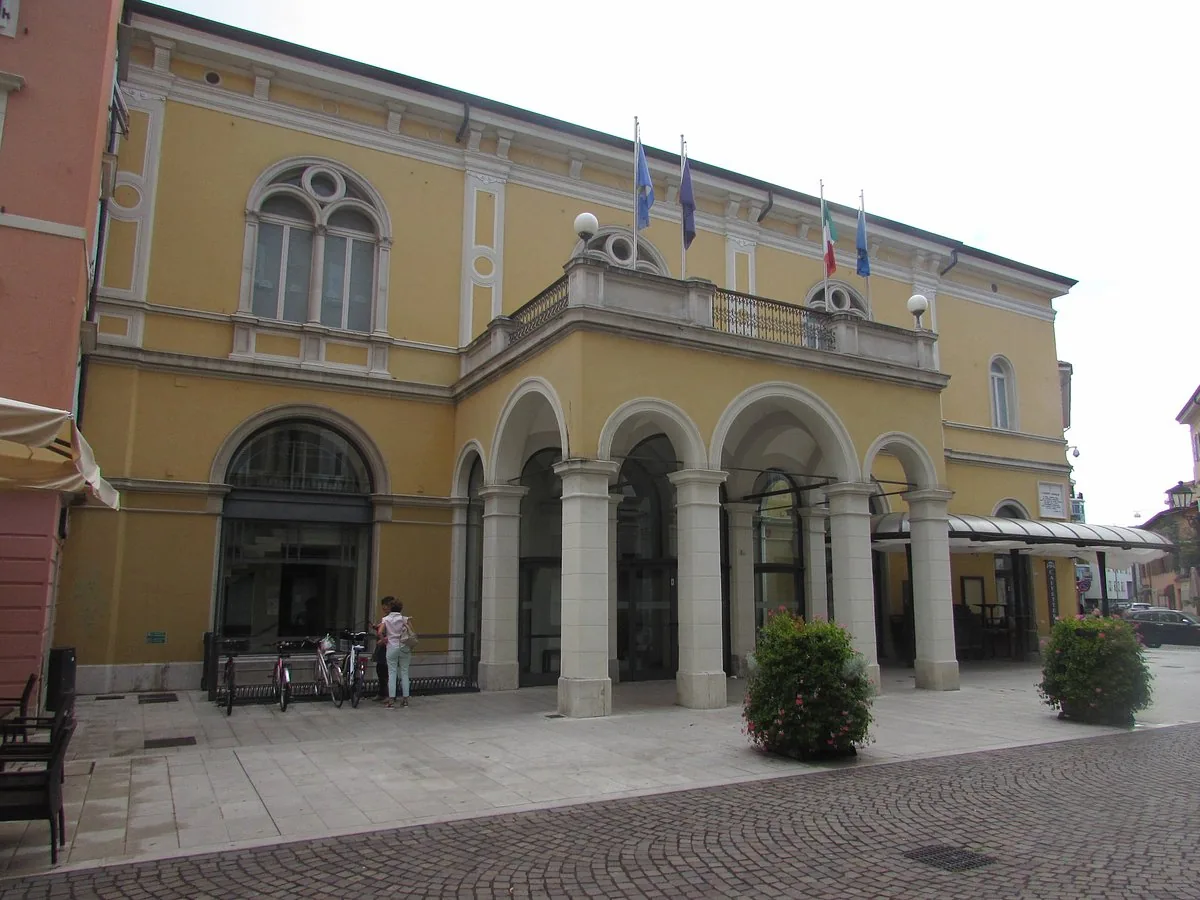
The historic Teatro Comunale Giuseppe Verdi in Gorizia, hosting The Gods of Olympus
The production follows the adventures of Pan, the playful satyr god of the wild, shepherds, and rustic music, and Thalia, the radiant Muse of Comedy and bucolic poetry. Together, these two immortal storytellers take young spectators on a journey through the greatest legends of Greek mythology. The show weaves together theatrical performances with musical accompaniment, creating a vibrant atmosphere that makes ancient myths accessible and exciting for modern audiences.
The Myths Come Alive
The show introduces children to three of the most powerful and enduring myths of ancient Greece:
The Story of Prometheus
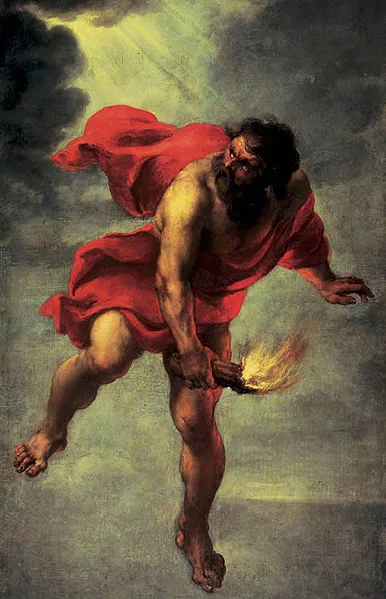
Prometheus, the Titan who dared to bring fire to humanity
Prometheus was one of the great Titans of Greek mythology, a being of extraordinary intelligence and a champion of mankind. According to the ancient myths recorded by Hesiod, when the gods and mortals gathered at Mecone to settle their accounts, Prometheus played a clever trick on Zeus. He placed two offerings before the king of the gods: delicious beef hidden inside a revolting ox stomach, and bones wrapped in gleaming fat. Zeus chose the bones, and from that day forward, humans kept the best meat for themselves, offering only bones to the gods.
Enraged by this deception, Zeus withheld fire from humanity. But Prometheus, ever the protector of mortals, stole fire from Hephaestus's workshop, carrying it in a hollow fennel stalk down from Olympus to Earth. This gift of fire brought warmth, cooking, and the spark of civilisation to humankind. For this act of defiance, Zeus chained Prometheus to a rock in the Caucasus Mountains, where an eagle would devour his liver each day, only for it to grow back each night. Prometheus endured this torment for ages until the hero Heracles finally freed him.
The myth of Prometheus has resonated through millennia as a powerful symbol of sacrifice, rebellion against tyranny, and the transformative power of knowledge. In this production, children will discover why this Titan remains one of the most beloved figures in all of mythology.
The Journey of Odysseus (Ulysses)
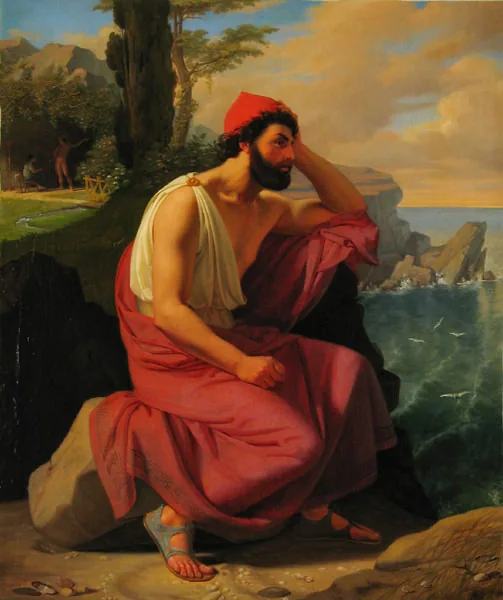
Odysseus (Ulysses), the cleverest of the Greek heroes
Odysseus, known as Ulysses in Roman tradition, was the most cunning and resourceful of all the Greek heroes who fought in the Trojan War. While warriors like Achilles were known for their strength, Odysseus was celebrated for his brilliant mind. His most famous contribution to the war was the ingenious stratagem of the Trojan Horse — a giant wooden horse built by the craftsman Epeius and filled with Greek soldiers. When the Trojans, believing it to be a divine gift, wheeled the horse inside their city walls, Odysseus and his men emerged at night to open the gates, leading to the fall of Troy.
But the story of Odysseus extends far beyond the Trojan War. Homer's epic poem, The Odyssey, recounts his perilous ten-year journey home to Ithaca, where his faithful wife Penelope awaited him. Along the way, he outwitted the Cyclops Polyphemus, resisted the enchantments of the sorceress Circe, navigated past the seductive Sirens, and faced countless other dangers that tested his wit and will. Through these adventures, Odysseus became the archetype of the intelligent hero — proof that courage comes in many forms, and that a sharp mind can overcome even the greatest obstacles.
The Tragic Tale of Orpheus
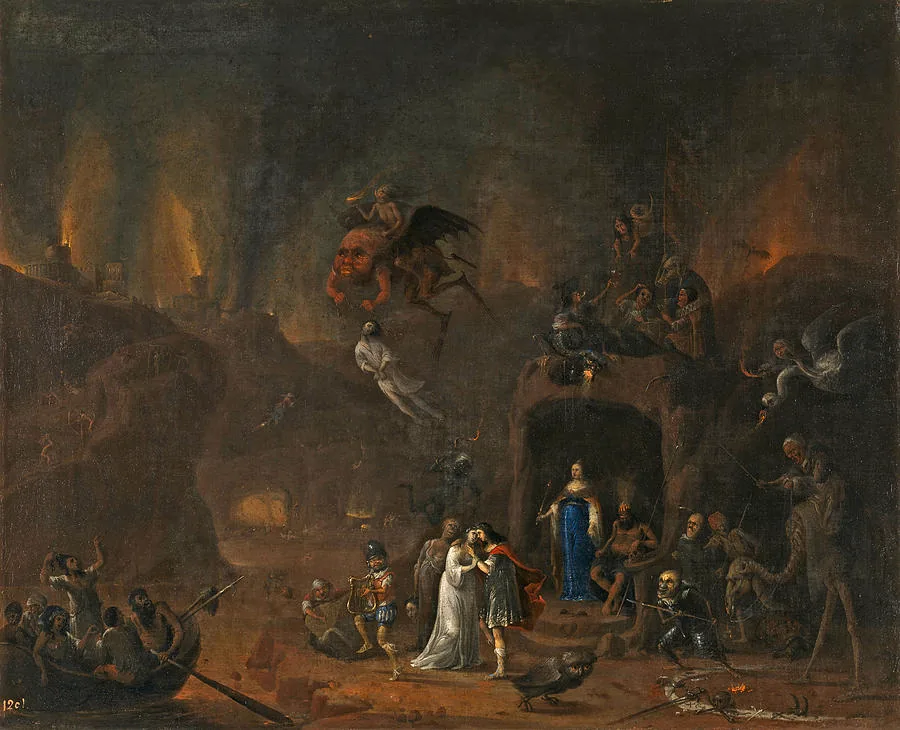
Orpheus and Eurydice in the Underworld, by Pieter Fris
Orpheus was the greatest musician ever to live, a poet and lyre player whose divine melodies could move not only every living creature but even the stones and trees themselves. Born as the son of the Muse Calliope and the Thracian king Oeagrus (or, in some traditions, Apollo himself), Orpheus received his first lyre from Apollo and was taught to play music of transcendent beauty.
His love story with the nymph Eurydice is one of the most moving tales in all of mythology. Shortly after their marriage, Eurydice tragically died from a snakebite. Overcome with grief, Orpheus made the impossible journey to the Underworld, armed only with his lyre. His music was so powerful that it charmed Cerberus, the three-headed guardian dog, moved the ferryman Charon, and even softened the hearts of Hades and Persephone, the rulers of the dead. They granted him permission to lead Eurydice back to the world of the living on one condition: he must not look back at her until they had both reached the surface.
As they ascended, Orpheus, unable to hear her footsteps behind him, was seized by doubt. Just steps from freedom, he turned to look — and in that moment, Eurydice was lost to him forever. The myth of Orpheus and Eurydice has inspired countless works of art, music, and literature across three thousand years, from the earliest operas to modern theatre, serving as an eternal meditation on love, loss, trust, and the power of art itself.
Meet the Protagonists: Pan and Thalia
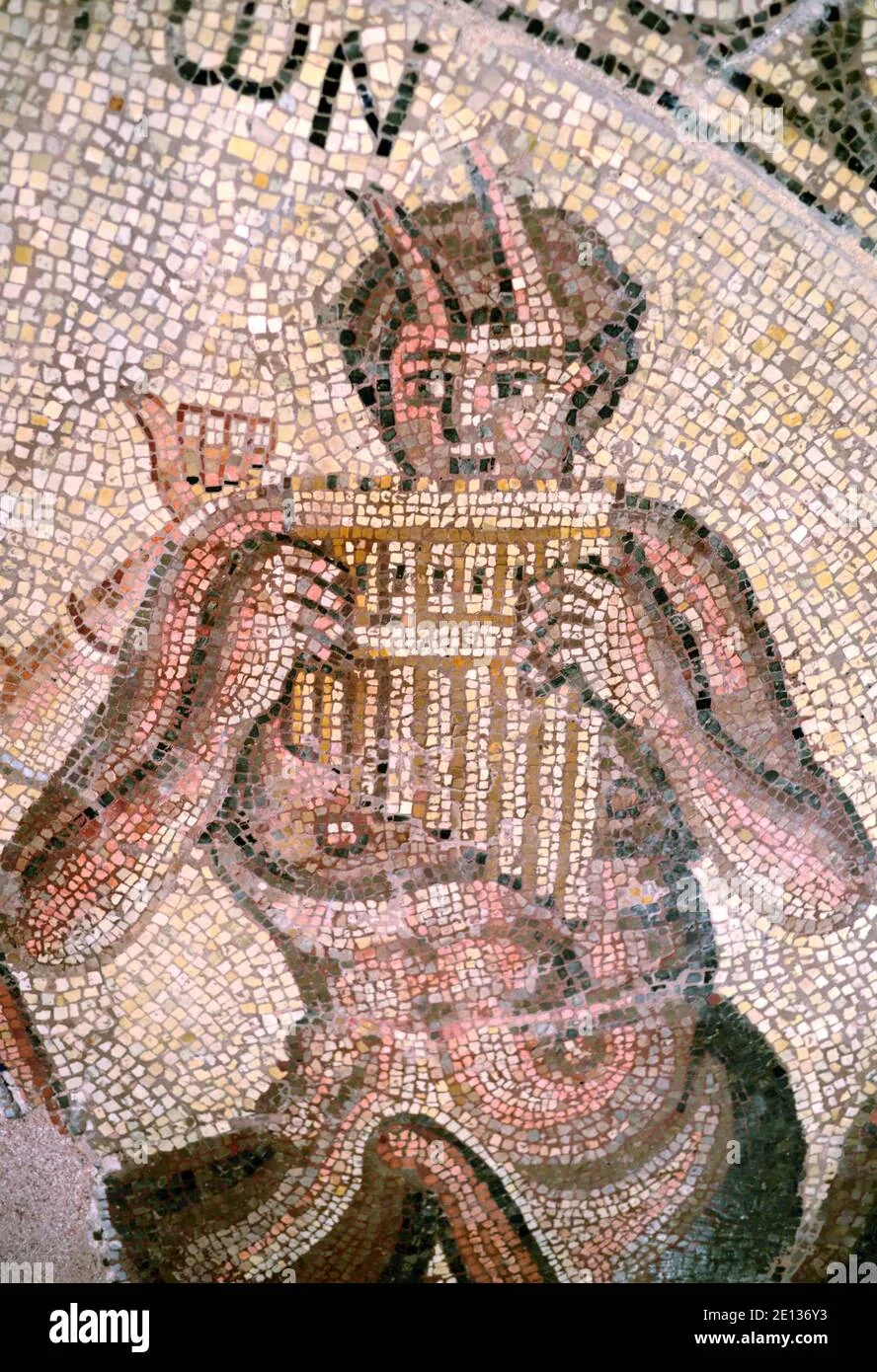
Pan, the playful god of nature, shepherds, and music
Pan is one of the most distinctive figures in Greek mythology — the god of the wild, shepherds, flocks, rustic music, and the untamed forces of nature. With the upper body of a man and the horns, legs, and hooves of a goat, Pan roamed the mountains and woodlands of Arcadia, playing his signature syrinx (panpipes), an instrument he created from reeds after the nymph Syrinx was transformed to escape his affection. His music was said to be so enchanting that even the gods stopped to listen.
Pan was known for his playful, mischievous nature and his love of revelry. The very word "panic" derives from the sudden, unexplainable fear that travellers felt when they encountered him in lonely wilderness places. Yet despite his wild nature, Pan was also a protector of shepherds and their flocks, embodying the spirit of fertility and the renewal of spring.
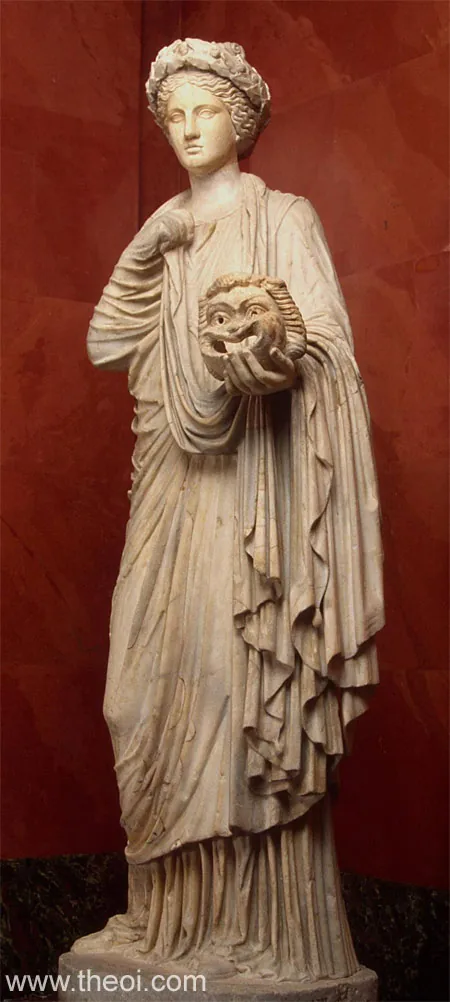
Thalia, the Muse of Comedy and Bucolic Poetry
Thalia (meaning "rich festivity" or "blooming" in Greek) is one of the nine Muses, the divine daughters of Zeus and Mnemosyne (the goddess of memory). Specifically, she is the Muse of Comedy and bucolic poetry. In classical art, Thalia is depicted holding a comic mask and a shepherd's staff, crowned with a wreath of ivy. She represents joy, laughter, and the lighter side of theatrical arts.
Together with her sister Melpomene (the Muse of Tragedy), Thalia forms the iconic pair of theatrical masks that symbolise drama to this day. Her presence in this production ensures that the ancient myths are told not with solemn gravity, but with the warmth, humour, and accessibility that make them perfect for young audiences.
The Creative Team
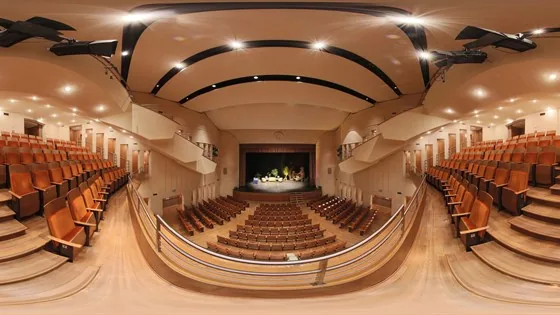
The elegant interior of the Teatro Comunale Giuseppe Verdi
Direction by Edoardo Fainello
The show is directed by Edoardo Fainello, an acclaimed Italian director, playwright, actor, and composer with an extraordinary career spanning decades. As the artistic director of the Teatro Lorenzo Da Ponte in Vittorio Veneto and head of the Accademia Teatrale Lorenzo Da Ponte, Fainello has directed over 30 major productions ranging from classical Greek tragedies like The Trojans by Euripides and The Persians by Aeschylus to Shakespearean masterpieces including Hamlet, Macbeth, A Midsummer Night's Dream, and The Merchant of Venice.
Beyond directing, Fainello is also an accomplished playwright with numerous original works to his name, including Centovite, Narcissus (2nd prize at the National Dramaturgy Competition DCQ), and L'ultima baccante (1st prize at the Plautus Off New Dramaturgies). He has also composed original music for many of his productions, bringing a unique artistic vision that integrates theatrical storytelling with musical elements. His pedagogical approach combines deep artistic insight with a genuine passion for introducing young audiences to the wonders of classical culture.
Production by Bottega Rea — Centro Teatrale Da Ponte
The production is brought to the stage by Bottega Rea, the resident company of the Centro Teatrale Da Ponte in Vittorio Veneto (Treviso). This renowned theatre company specialises in creating high-quality theatrical experiences for audiences of all ages, combining classical texts with innovative staging and original music. Their productions consistently demonstrate a commitment to cultural education through entertainment, making complex stories accessible and engaging for young viewers.
The Performers
The show features a talented trio of young performers:
- Davide Ostan — A versatile actor and musician who brings the wild energy of Pan to life on stage
- Bianca Padoin — An accomplished performer and playwright who co-authored the show's original adaptation (alongside Racconti dall'Olimpo, another production about Greek myths for young audiences)
- Eleonora Ruzza — A dynamic performer who also contributes to the creative development of productions, having co-authored Racconti dall'Olimpo with Padoin
All three performers are under 25 years old, showcasing the remarkable young talent emerging from Italy's vibrant theatre scene. Together, they play all the characters in the show, demonstrating impressive versatility and transformation skills.
A Venue Steeped in History
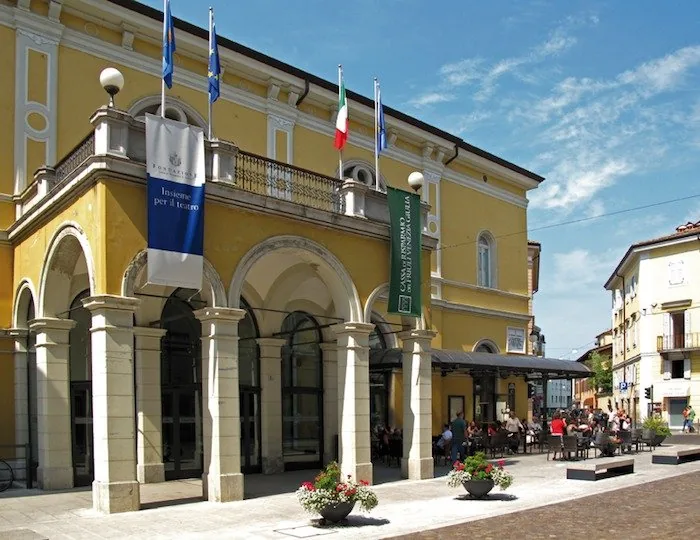
Teatro Comunale Giuseppe Verdi — over 250 years of theatrical excellence
The Teatro Comunale Giuseppe Verdi is a landmark of cultural excellence in Friuli Venezia Giulia, with a rich history spanning over 250 years. Located in the heart of Gorizia at Via Garibaldi 2/a, this historic theatre has been a point of reference for live performance in the region, hosting opera, ballet, theatre, and concerts of the highest calibre.
The theatre's artistic programme, curated by director Walter Mramor, spans multiple genres including prose, music, and dance, with dedicated initiatives for young audiences such as the "Verdi Young" and "Verdi Racconta" series. Its summer programming brings together families and culture enthusiasts from across the border region, making it the perfect setting for a show that celebrates shared mythological heritage.
In case of bad weather, the performance will be moved to the concert hall of Palazzo de Grazia, ensuring that the show goes on regardless of conditions.
Part of GO! 2025 — European Capital of Culture
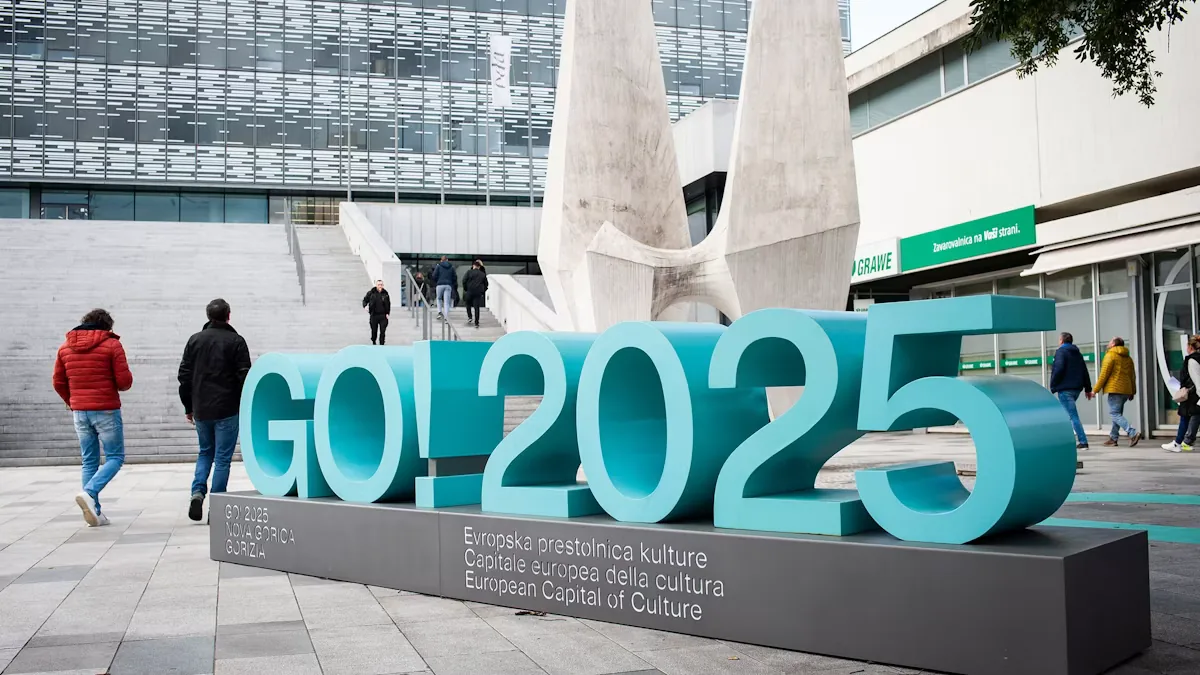
GO! 2025 — The first cross-border European Capital of Culture
This performance is presented as part of GO! 2025, the groundbreaking initiative that sees Nova Gorica (Slovenia) and Gorizia (Italy) jointly serving as the European Capital of Culture — the very first cross-border European Capital of Culture in history. The GO! 2025 programme celebrates the unique identity of this borderless region through hundreds of cultural events spanning theatre, music, visual arts, literature, and more.
By hosting productions like The Gods of Olympus, GO! 2025 demonstrates its commitment to family-friendly programming that makes culture accessible to audiences of all ages. This show perfectly embodies the initiative's spirit of cultural exchange and shared heritage, bringing together Italian theatrical excellence with the universal stories of Greek mythology that form the foundation of European civilisation.
Why You Shouldn't Miss This Show
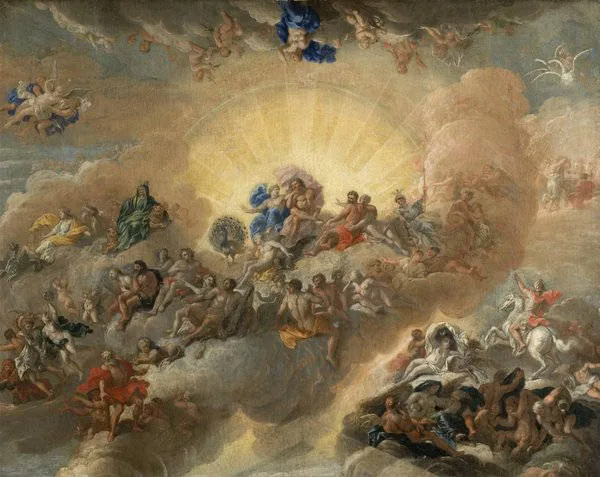
The Gods of Olympus — timeless stories that shaped civilisation
The Gods of Olympus offers a rare opportunity for families to experience the magic of live theatre while introducing young minds to the foundational myths of Western civilisation. The production's original and brilliant dramaturgical rewrite transforms these ancient tales into a format that speaks directly to contemporary children, proving that stories thousands of years old still have the power to captivate, inspire, and educate.
The show represents the very best of what the GO! 2025 European Capital of Culture has to offer: artistic excellence, cultural education, cross-border collaboration, and the joy of shared experiences. Whether you're a family looking for an enriching summer activity, a mythology enthusiast, or simply someone who appreciates the magic of live performance, The Gods of Olympus promises an afternoon of wonder and delight on the beautiful stage of the Teatro Verdi in Gorizia.
Event Details at a Glance
| Detail | Information |
|---|---|
| Title | Gli Dei dell'Olimpo (The Gods of Olympus) |
| Date | August 11, 2026 |
| Venue | Teatro Comunale G. Verdi, Via Garibaldi 2/a, Gorizia |
| Duration | 60 minutes |
| Age | 5 years and up |
| Techniques | Actor theatre, live music |
| Production | Bottega Rea — Centro Teatrale Da Ponte |
| Direction | Edoardo Fainello |
| Cast | Davide Ostan, Bianca Padoin, Eleonora Ruzza |
| Part of | GO! 2025 European Capital of Culture |
More Mythological Adventures by the Same Company
If your family falls in love with The Gods of Olympus, you'll be delighted to discover that Bottega Rea and Centro Teatrale Da Ponte have created an entire series of shows bringing classic stories to life for young audiences:
- Racconti dall'Olimpo — Another Greek mythology show featuring stories of Ariadne's thread and Pandora's box
- Alice in Wonderland — A musical adaptation of Lewis Carroll's beloved tale (also playing at Teatro Verdi as part of GO! 2025)
- The Frog Prince — A musical journey through Italy featuring the classic fairy tale
- Fiaba in Scatola (Twelfth Night) — Shakespeare's comedy adapted for ages 4 and up
All productions share the same commitment to quality, combining theatrical performance with live music and the talents of the same core creative team.
The timeless tradition of Greek mythology on stage continues
Don't Miss This Opportunity
Mark your calendar for August 11, 2026 and experience The Gods of Olympus at the Teatro Comunale G. Verdi in Gorizia.